


 View Marie-Helene Duprat's profile
Camp is where we learn about ourselves: facing our fears, trying new things, pushing our limits and accepting ourselves. When it comes to a residential camp, it refers to the camp where participants stay overnight for a certain period of time. It is usually a fun and immersive experience where we can participate in various activities such as outdoor adventures, arts and crafts, and team building exercises.
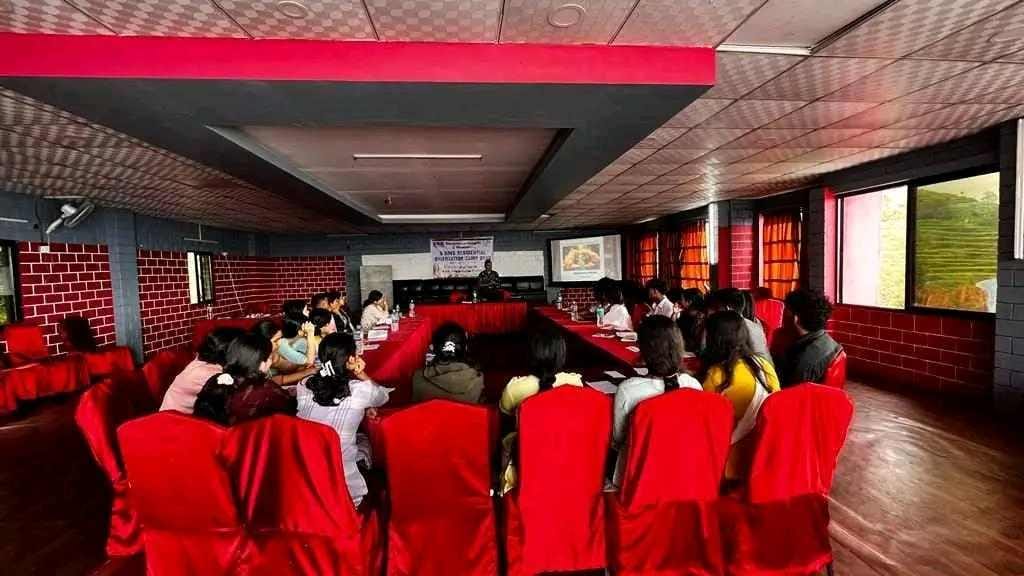
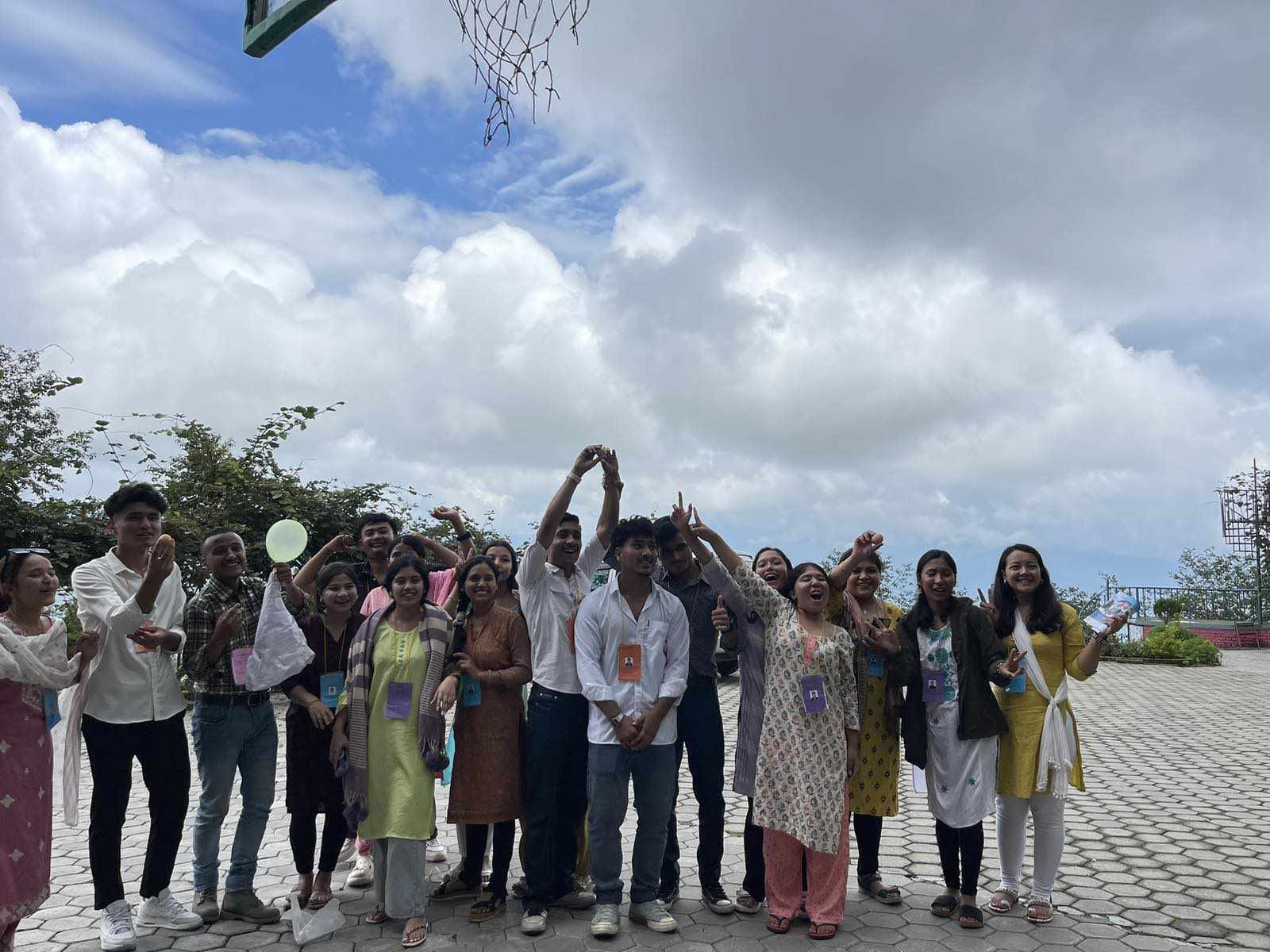
From July 2 to 4, we, the first-year students of the Bachelor of Arts in Social Work of the K and K International College, stayed at Bhotechaur residential camp, Shankharapur, located an hour’s drive from Kathmandu city center. The main objective of the camp was to develop our communication skills, leadership skills, cognitive thinking and create a strong network among students.

Before embarking on this adventure, the students were divided into 4 groups, namely the Documentation group, the Logistics group, the Medics group and the Animation group. The Documentation group, in which I was integrated, captured all the important events of the camp and was responsible for making the presentation about the main lessons we learnt from the camp once it was over.
The Logistics group took care of the food part and made sure that everyone had their share of food. As for the Animation group, they entertained us throughout the camp by hosting various entertainment programs. Finally, the Medics group provided us with medications according to our needs. We had an orientation day, during which each group listed the necessary materials that could be useful during our stay at the camp.
Day 1
On July 2, we (supervisors and students) started our journey from K and K College premises around 6:30 AM.
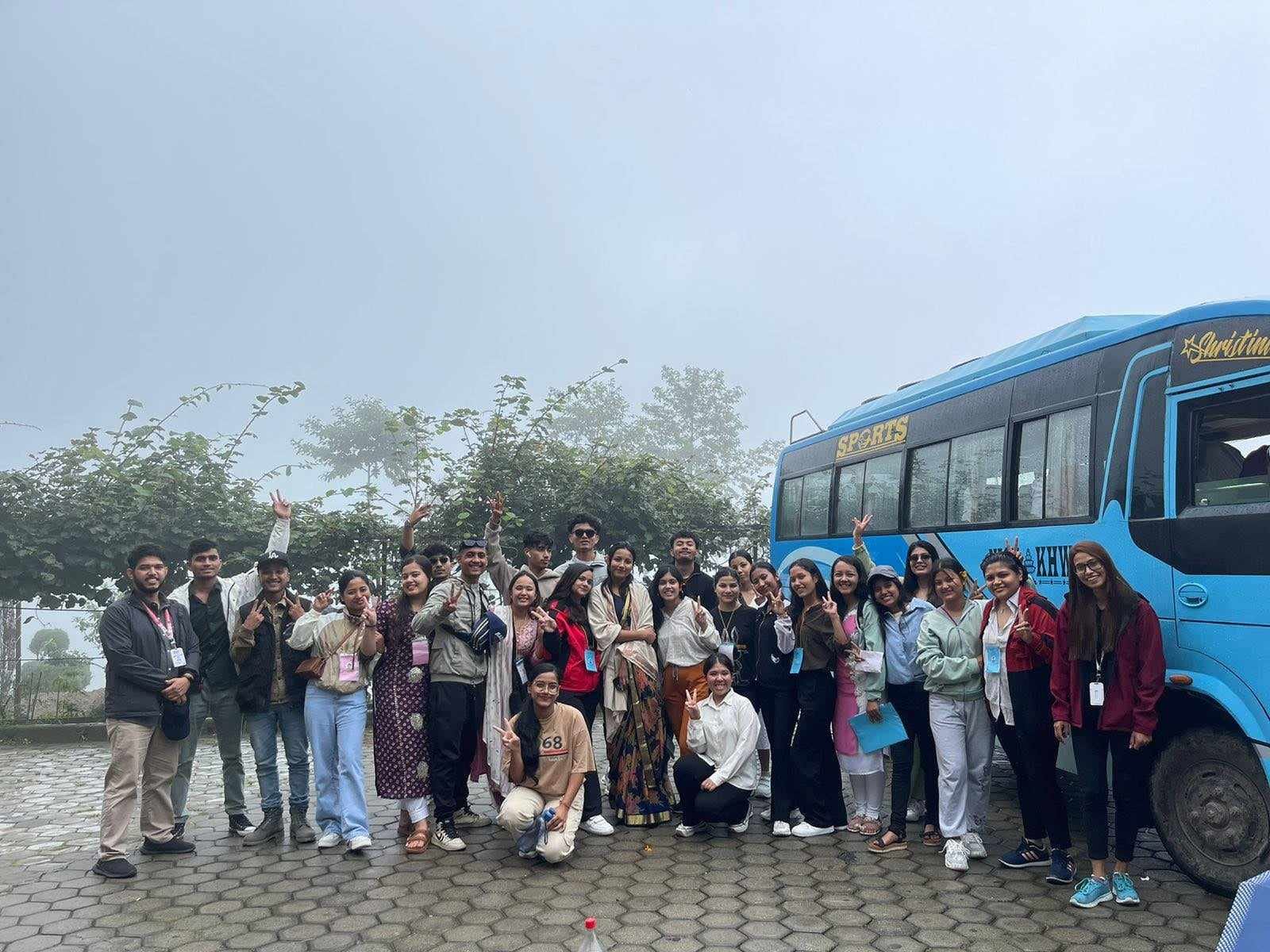
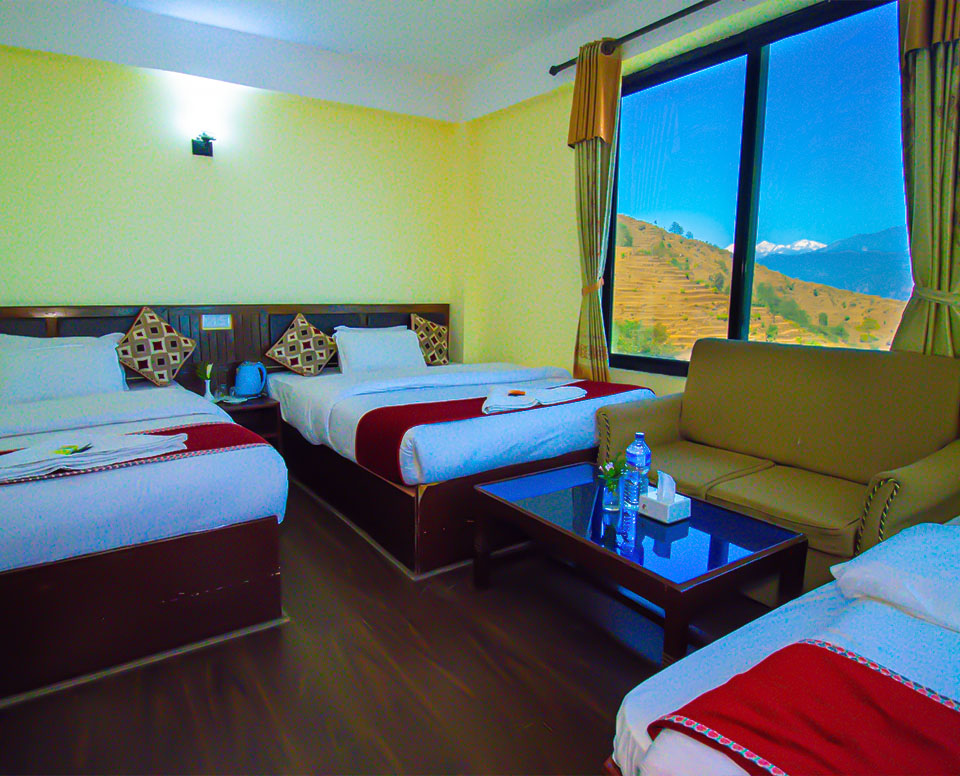
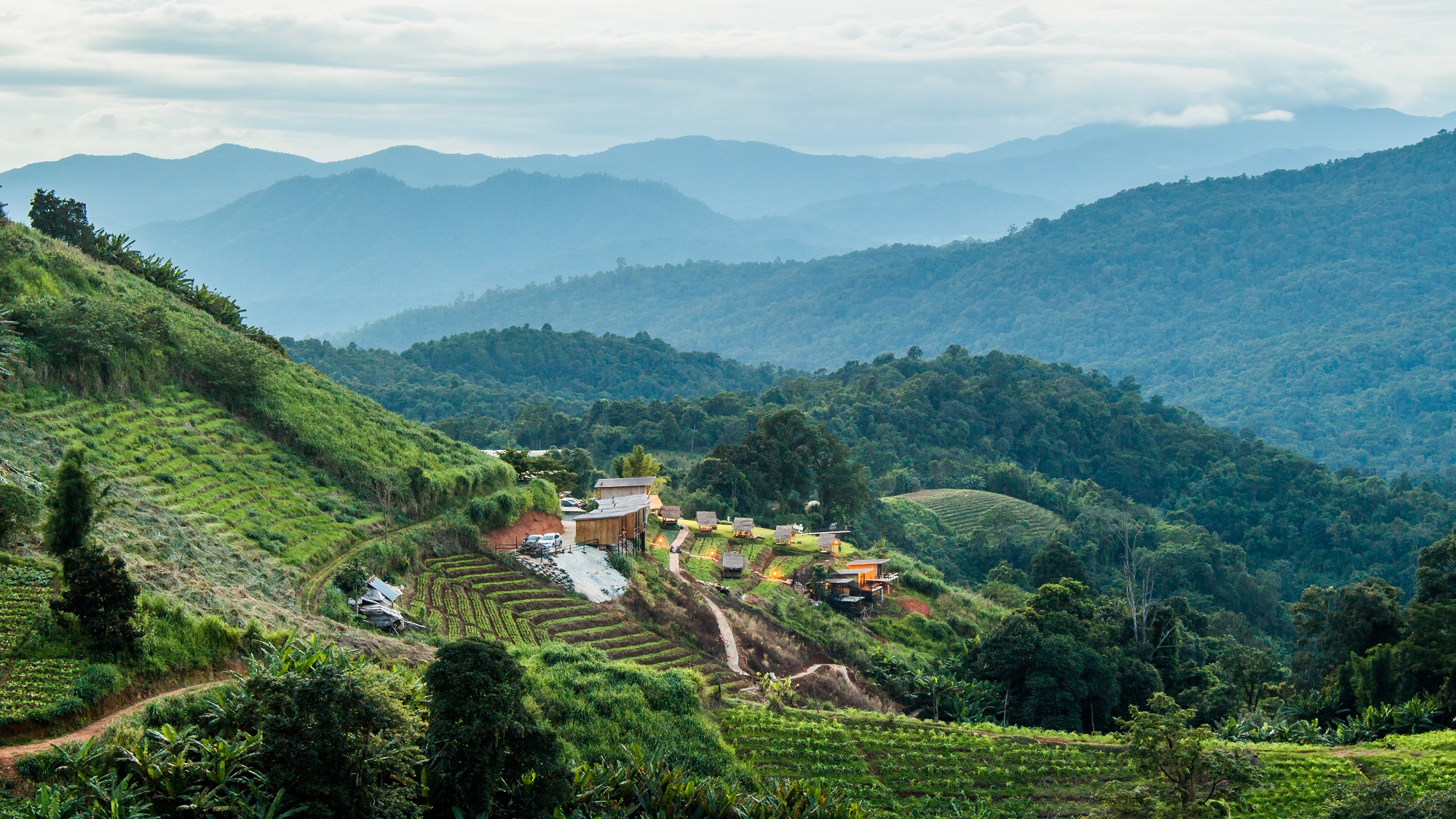
After traveling for about 2 hours by bus, we finally reached our destination i.e. Heaven Hill Resort, where we stayed for the entire duration of the camp. Bhotechaur is a village area of fascinating beauty. The environment is extraordinarily peaceful and clean.

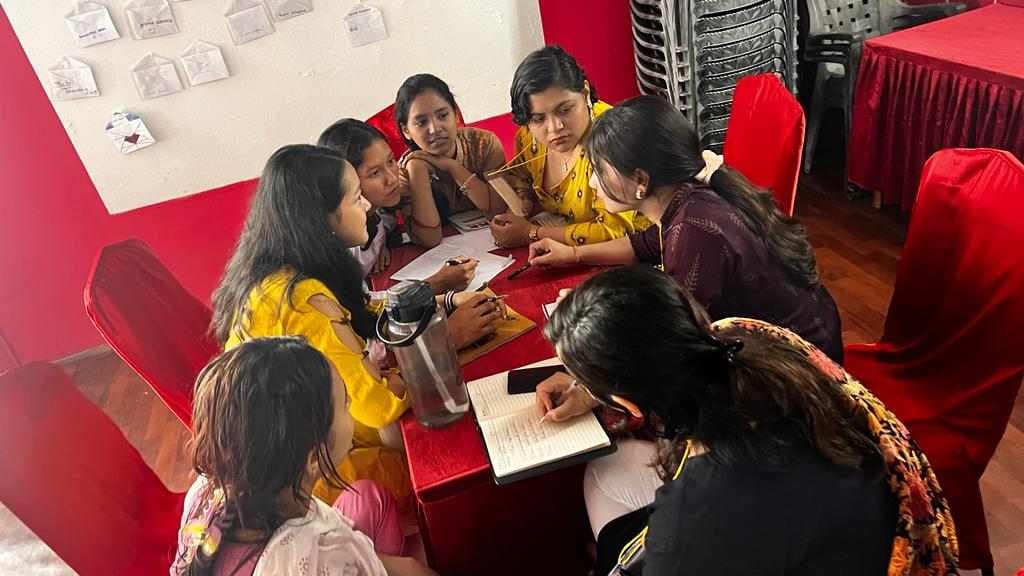
Once settled in the resort, an introductory session was held in which we introduced ourselves in a different way. Here, the supervisor formed a few groups and then gave each group a few minutes to get to know the others. We then had to speak with each other in front of everyone. After that, the secret admirer was assigned to everyone (for those who don’t know what a secret admirer is, check it out on Tinder!), so that she/he could take care of the assigned person till the last day of the camp.
Next, there was a session on “emotion and thought” led by our supervisor, Rosie Karki. Through this session, we discovered two types of thoughts, namely biological thoughts and psychological thoughts. Biological thinking examines how biological factors such as genetics and brain structures influence our thoughts, emotions and behavior. It examines the role of neurotransmitters, hormones, and genetics in shaping psychological experience. On the other hand, psychological thinking focuses on understanding thoughts, emotions, and behaviors from a mental perspective.
After this session, we wrote a letter of appreciation about what we had done or experienced so far.
We were then asked to draw a circle on paper, with instructions to draw whatever we wanted. The idea was to let us express our inner feelings on a sheet of paper. In psychology, we predict human behavior based on their covert and overt actions. This exercise is therefore a way for the teacher to assess the character of a student. I drew a tree and a mountain, as well as a young girl looking at the park near the river, where two children were playing alone. The meaning of my drawing? Guess!
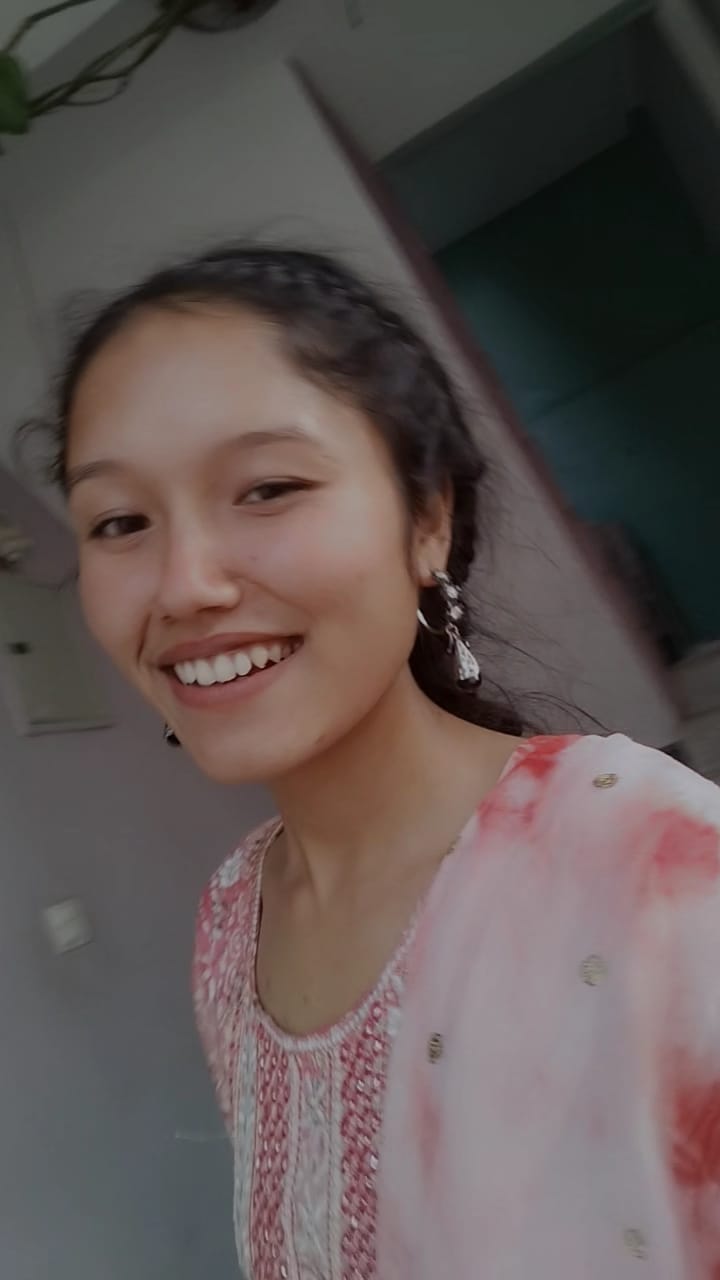
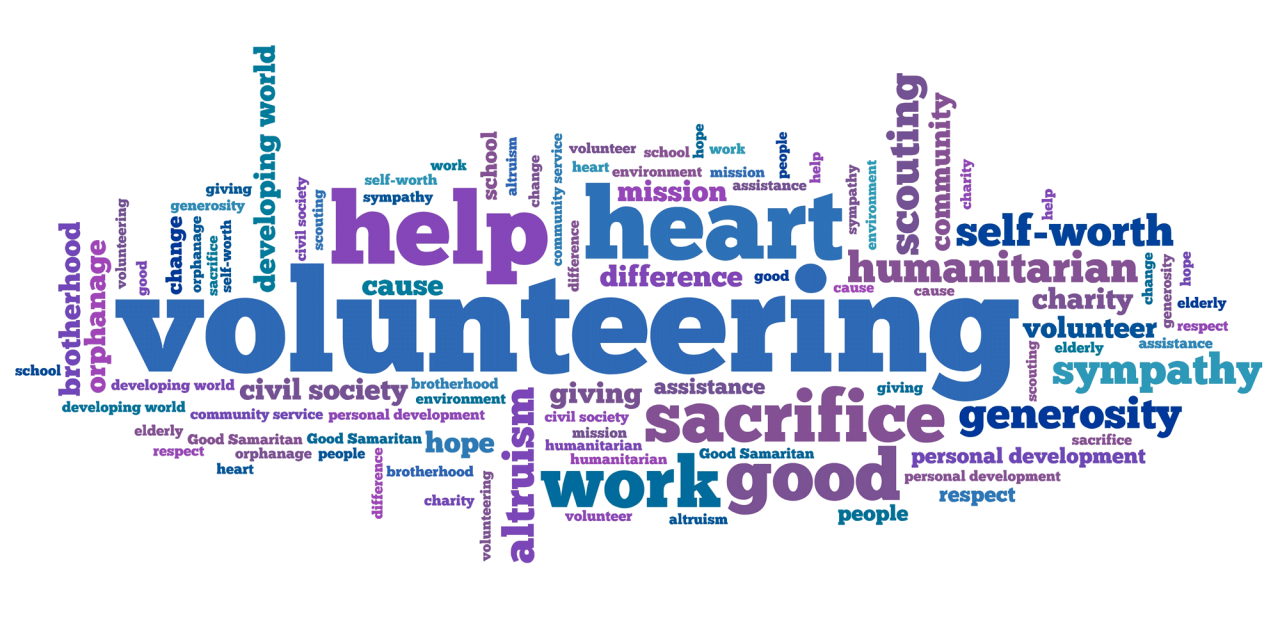
The volunteering session was carried out by Pranav Raj Regmi. Through this session, I learned the meaning of “volunteering” and its purpose. Volunteering means giving your time and effort to help others or contribute to a cause without expecting anything in return. It is a way to have a positive impact on the community and make a difference in people’s lives. The motivations for volunteering can be diverse, ranging from personal growth to pure altruism passing by skills development, networking or career advancement.
Next, we played balloon and childhood memory games. In the childhood memory game, the instruction was to find everything in the resort that reminded us of our childhood. This game was made to explore our nostalgic moments, as childhood usually holds a beautiful story and unique excitement and energy to accomplish any task. In the balloon game, a balloon was tied to our legs, and we were supposed to keep it safe until the end of the game. The winner gets the prize. As soon as the game started, everyone started popping each other’s balloons. In the end, none of us won! Our supervisor commented that she didn’t tell us to burst each other’s balloons; “Instead,” she said, “you all could have stayed calm and secured your balloons that way, which would have made everyone a winner.”…
The last task of the day was to deliver a presentation in a particular group with a topic chosen by the supervisor. Here, my friends and I wrote down some keywords related to the topic, and then I explained to my teammates their role in the presentation. We made our presentation, which was prepared in about 5 minutes, in an organized way and everyone found it excellent!
Day 2
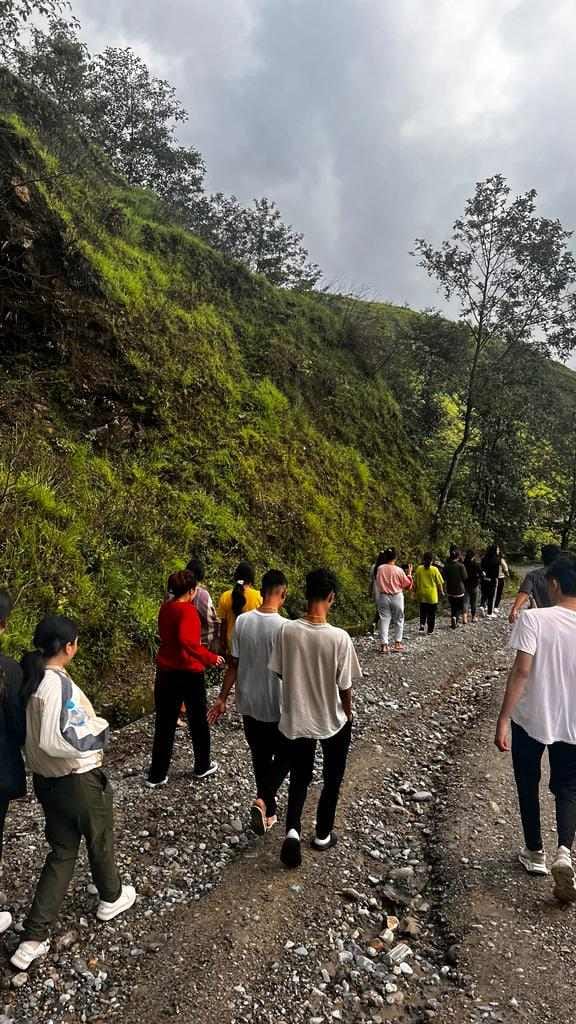
On the second day we had to be in the hall by 7:00. We did morning exercises and a walk for about an hour.
Next, each group engaged in theatre preparation, which lasted 2 hours. We were asked to construct stories that we would have to perform in front of our classmates at the end of the day.
Once the theatre preparation time was over, the “Save the Egg Game” began. In that game, we had to keep safe a raw egg that was thrown from the top of the complex. It was up to us to decide how to keep it safe, by covering it with plastic, for example, or by any other means. The aim of the game was not only to test our imagination skills but also to make us realize how group work could produce superior results. For this game, items such as cellular tape, a raw egg, a balloon, etc. were provided. It was a very powerful moment for me, because we managed to secure the egg thrown from the complex, while the eggs of the other groups were all broken. We did our best, and I felt really happy that it worked.
Next, we had a great session on “Social Work for Social Justice” by Ghana Ghashyam Khadka and a session “Science of Mindfulness and Creativity” by Chhatra Karki.

Then we took turns acting out our drama that we prepared in the morning, and we, the documentation team, were the winners!
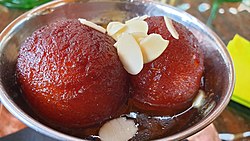
So, as the winner of the Drama Presentation and the Save the Egg Game, we were rewarded with Gulab Jamun (Rose WaterBerry), a sweet confectionary or dessert originating in the Indian subcontinent.
Day 3
We did some exercise and yoga in the morning and then had a session on the “Right to Information” (RTI) by Rakshya Bam. In the middle of the session, we played a game called Chinese whispers in which messages are whispered from person to person; when the last person is reached, it announces the message it has just heard to the entire group. This game was intended to make us aware of how the information we communicate can be interpreted, and how the meaning can be altered when we are not concentrating.
Finally, we were taught how to write a request to the ward office for government information. As instructed, we presented our application in front of everyone.
After lunch, we left Heaven Hill Resort at approximately 12:30 p.m. to return to our university, where we arrived at 2:00 p.m.
Overall experience
It was one of the most unique experiences of my life, as I had never been to a residential camp before.
Focused on teamwork, networking, leadership, self-care and how to explore available opportunities, the camp was a very beneficial learning experience for all of us. Also, staying at the resort for 3 days was very unusual for me. The sessions were competent and effective, as they included interesting games as well as presentations. I was surprised when I delivered a presentation on the requested topic in no time.
Before the camp, I had a hard time dealing with crowds of people, but now it seems like the camp has taken all that away from me. We didn’t expect the residential camp to harbor so many great experiences, as we weren’t allowed to go out of the resort. But now I understand that we can also learn and perform various activities in an enjoyable way in a controlled environment.
In conclusion, I would like to express my gratitude to Christiane Mom, Helen Mom and SEA for giving me the incredible opportunity to attend this camp. It was an experience I will cherish forever. I learned so much, made new friends and had an unforgettable time.
Thank you, SEA, for supporting me and always encouraging me to explore and grow.

 SEA Népal - Solidarité Enfance Asie
Laisser un commentaire