


 View Marie-Helene Duprat's profile
Solidarité Enfance Asie (SEA)
Nepal
Nepal, a country of breathtaking landscapes, is famous for being home of eight of the world’s ten tallest mountains (including Mount Everest, the highest point on earth), historic cities, with age-old temples and monasteries, and the forested plains where rhinoceros and Bengal tigers can frolic at ease. Nepal is also well known for Siddhartha Gautama, more popularly known as Buddha, the founder of Buddhism, who was born in Lumbini, a part of the plainlands of Nepal.
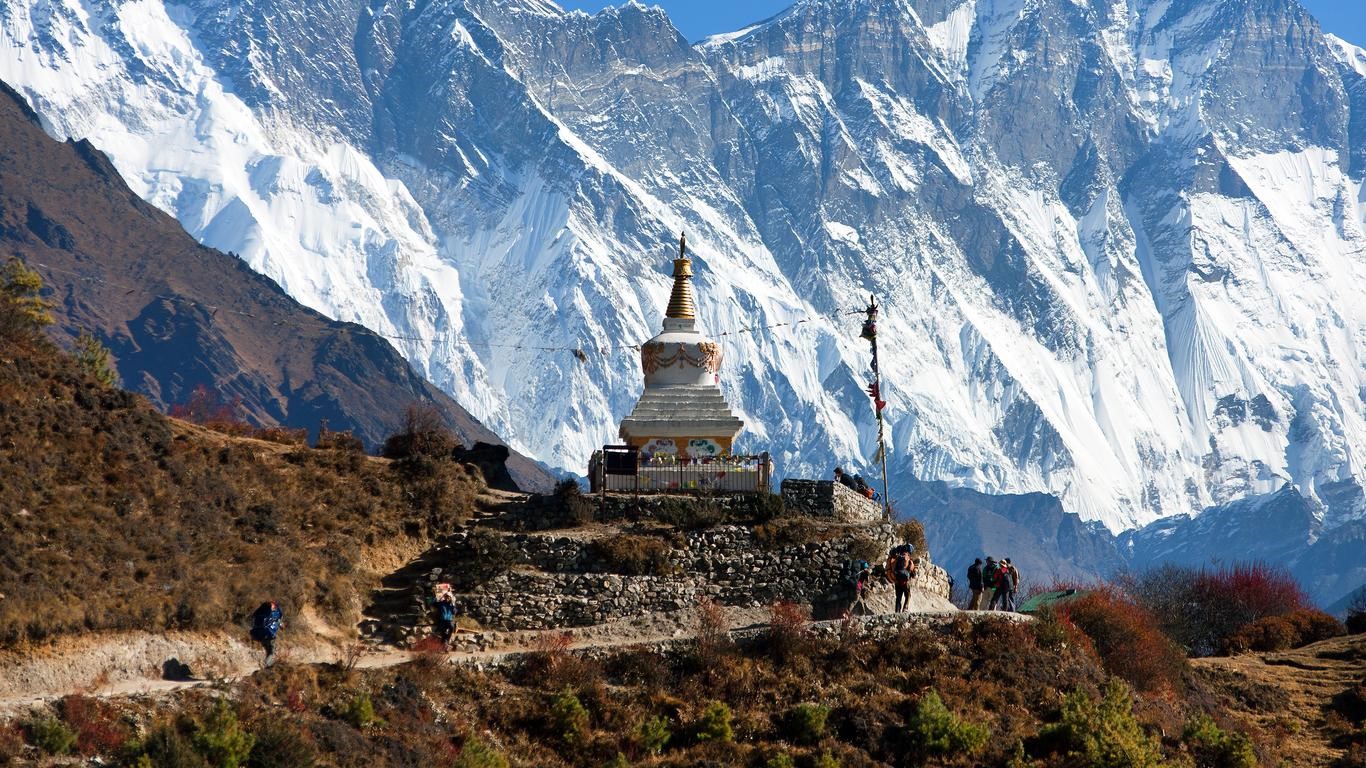
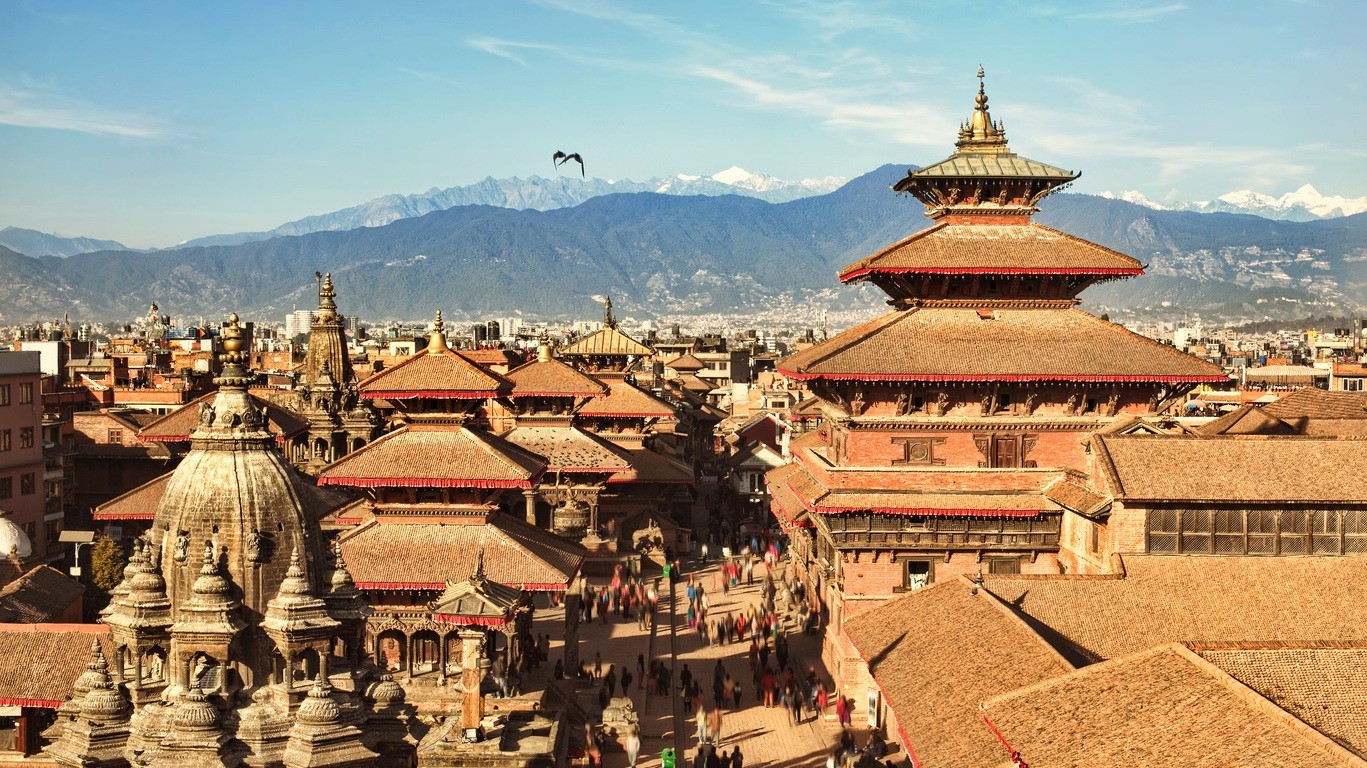


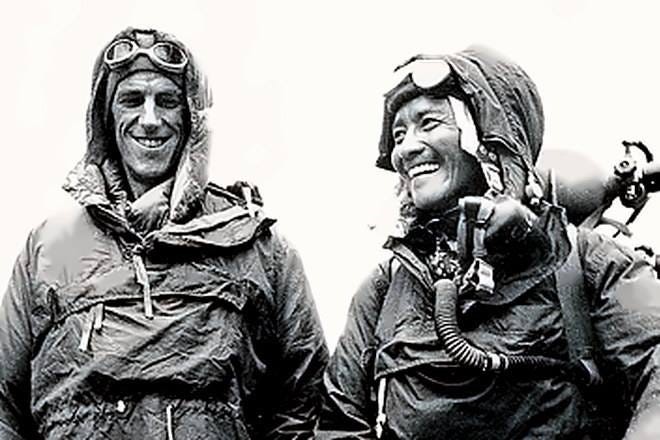
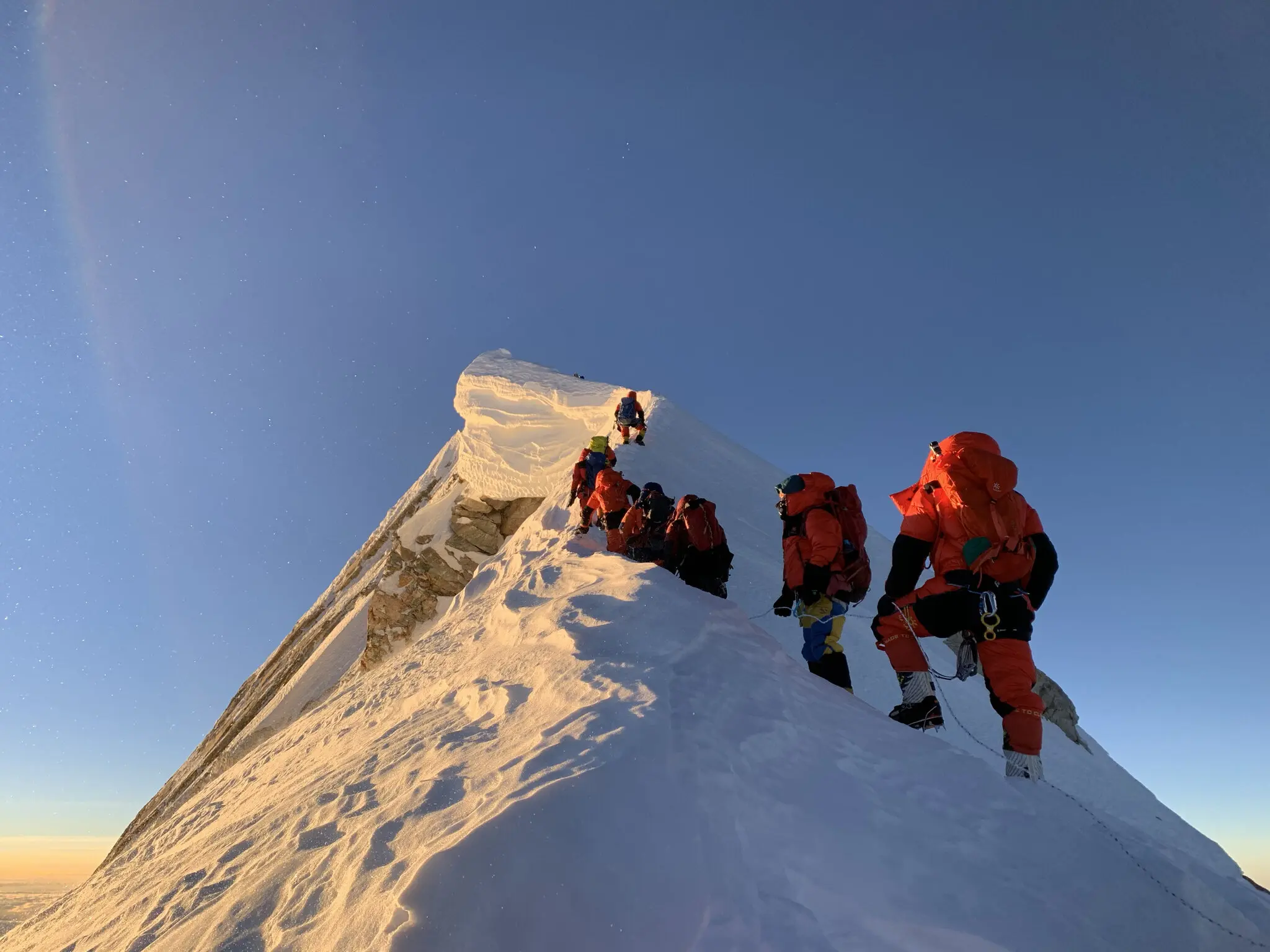
Between 1953, the year the climbers Edmund Hillary and Tenzing Norgay first conquered Everest, and the late 1970s, no more than small handfuls of climbers made the demanding trek to the highest point on earth. But starting from the early 1980s, Nepal’s alpine tourism industry exploded, becoming a lifeline for the country. In 2019, the year before the Covid pandemic hit, tourism brought in more than $2 billion to Nepal and employed a million people, from porters to pilots.
From the early 1980s until 2019, Nepal had made great strides in reducing absolute poverty, largely thanks to the growing tourism industry, but also, and crucially, to the undue weight of remittances provided by large-scale outmigration. It is estimated that a quarter of the decline in poverty in recent decades can be attributed to migration only. Estimates show that, without remittances, poverty would have in fact increased in Nepal.
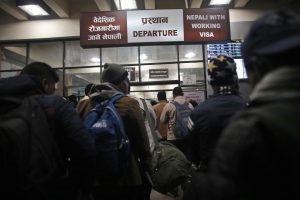
Large-scale outmigration, however, is not a sign of strength: it is a powerful indicator of the country’s structural problems, including its inability to provide employment prospects to young jobseekers.
Nepal ranks as one of the poorest countries in the world
Notwithstanding huge remittance inflows, Nepal, with a Gross Domestic Product (GDP) per Capita of 1,350 USD in 2023, still ranks as one of the poorest countries in the world. In 2020, the Covid-19 pandemic, which led to an almost total shutdown of the tourism sector, pushed a growing segment of the population into poverty and precariousness. Soaring inflation in recent years has only made matters worse, pushing poverty higher and hitting the poor hardest.
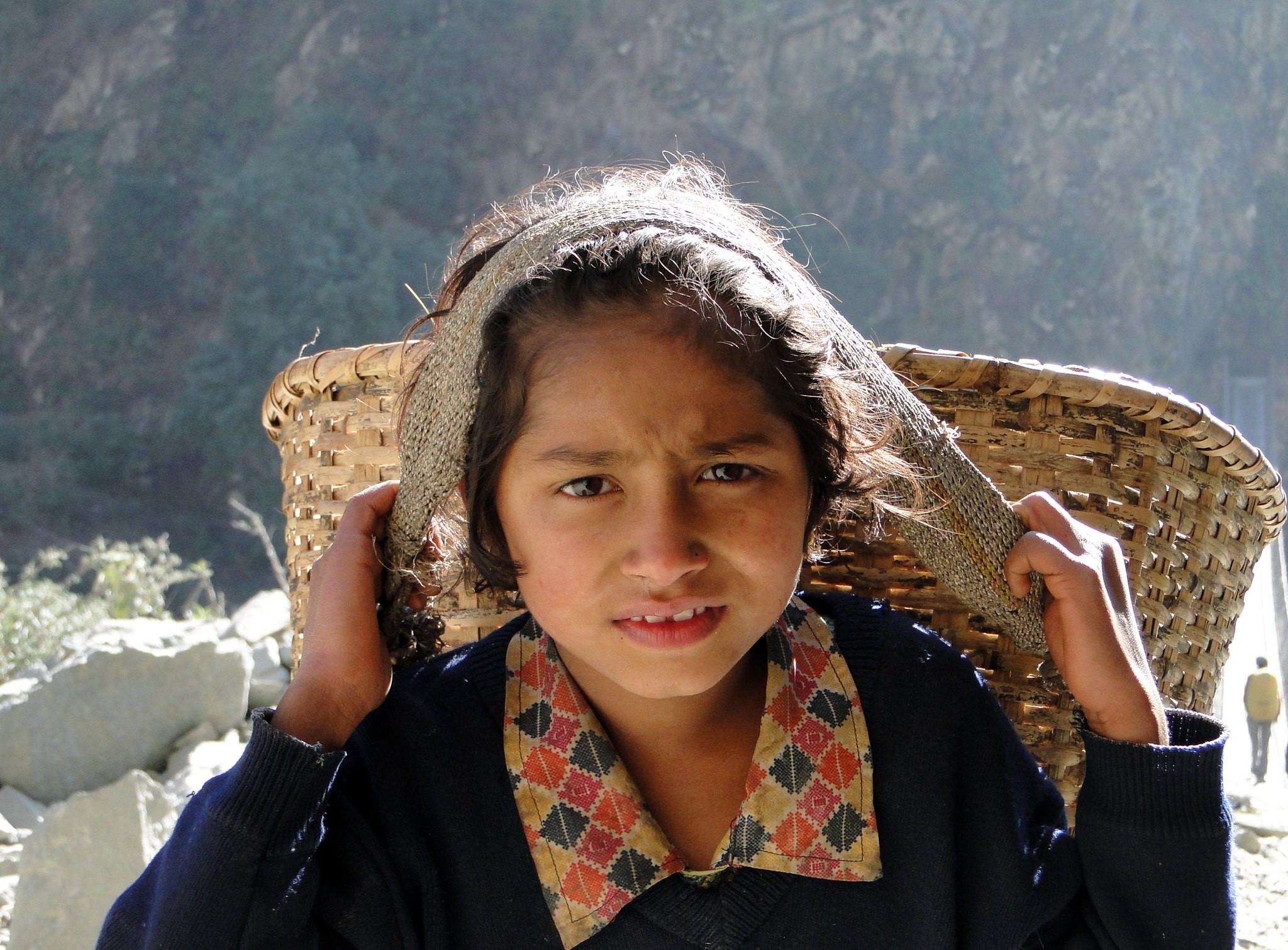
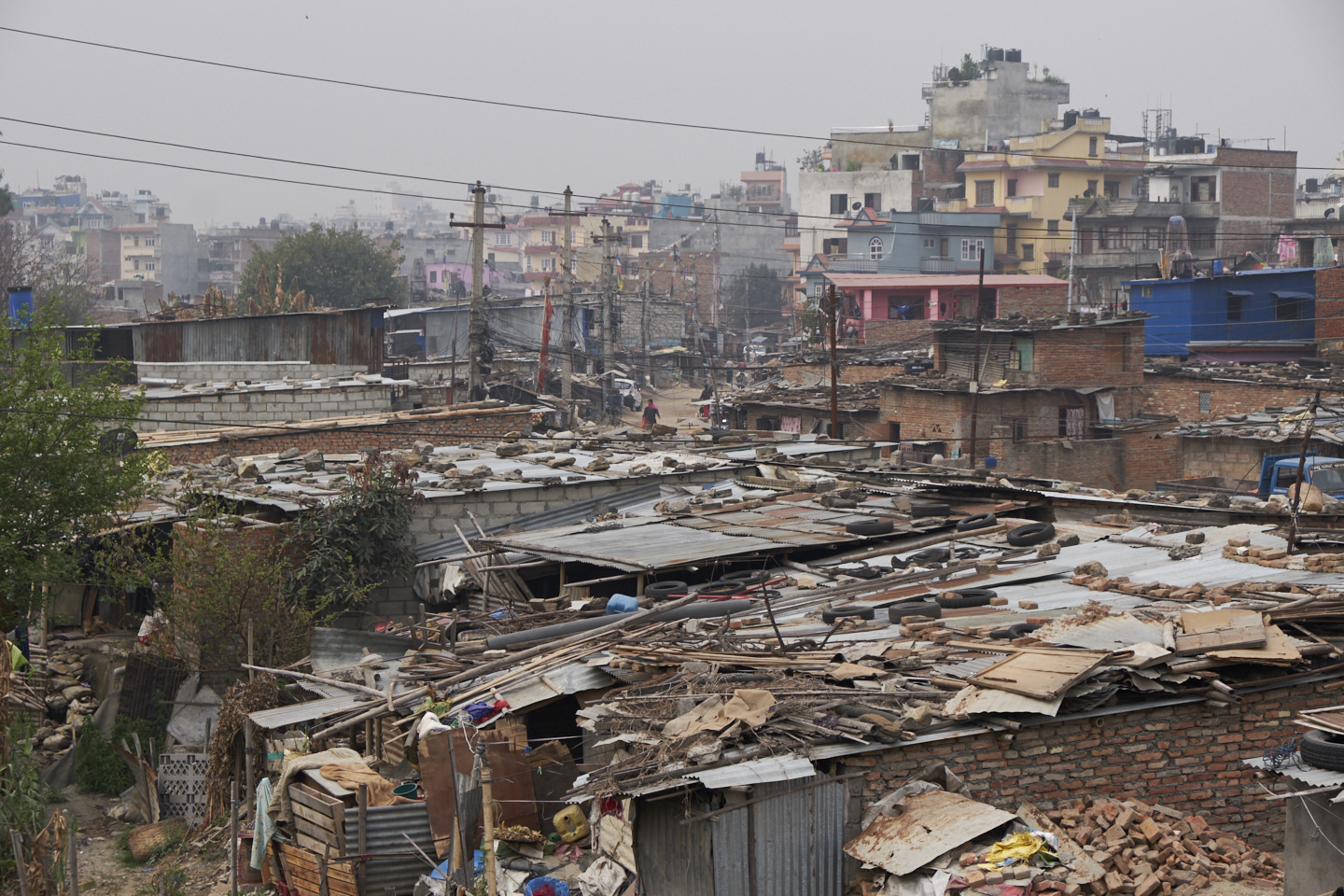
The perpetuation of poverty in Nepal is partly explained by challenging constraints to development, including the country’s landlocked location, its rugged terrain—a factor behind its underdeveloped infrastructure—, and its propensity for natural disasters (earthquakes, floods, etc.). But political instability, widespread corruption and inefficient policy choices have also played a major role in the persistent poverty of a substantial portion of the Nepali people.
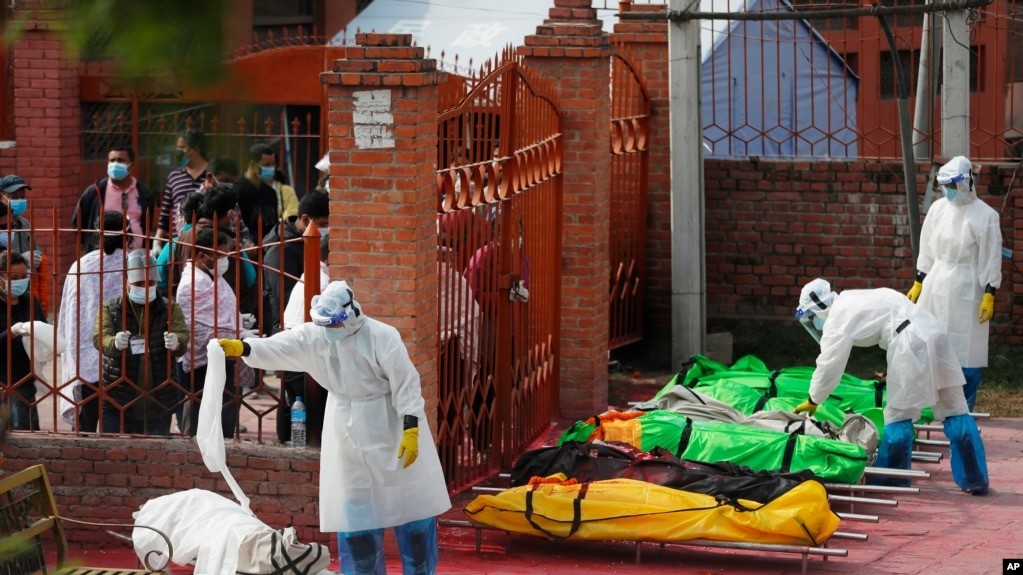
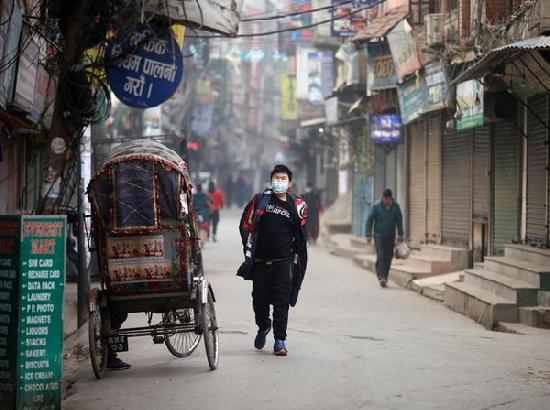
Children are the most brutally stricken by poverty. This is evident from the hundreds of children living in the streets of Kathmandu, the capital city.

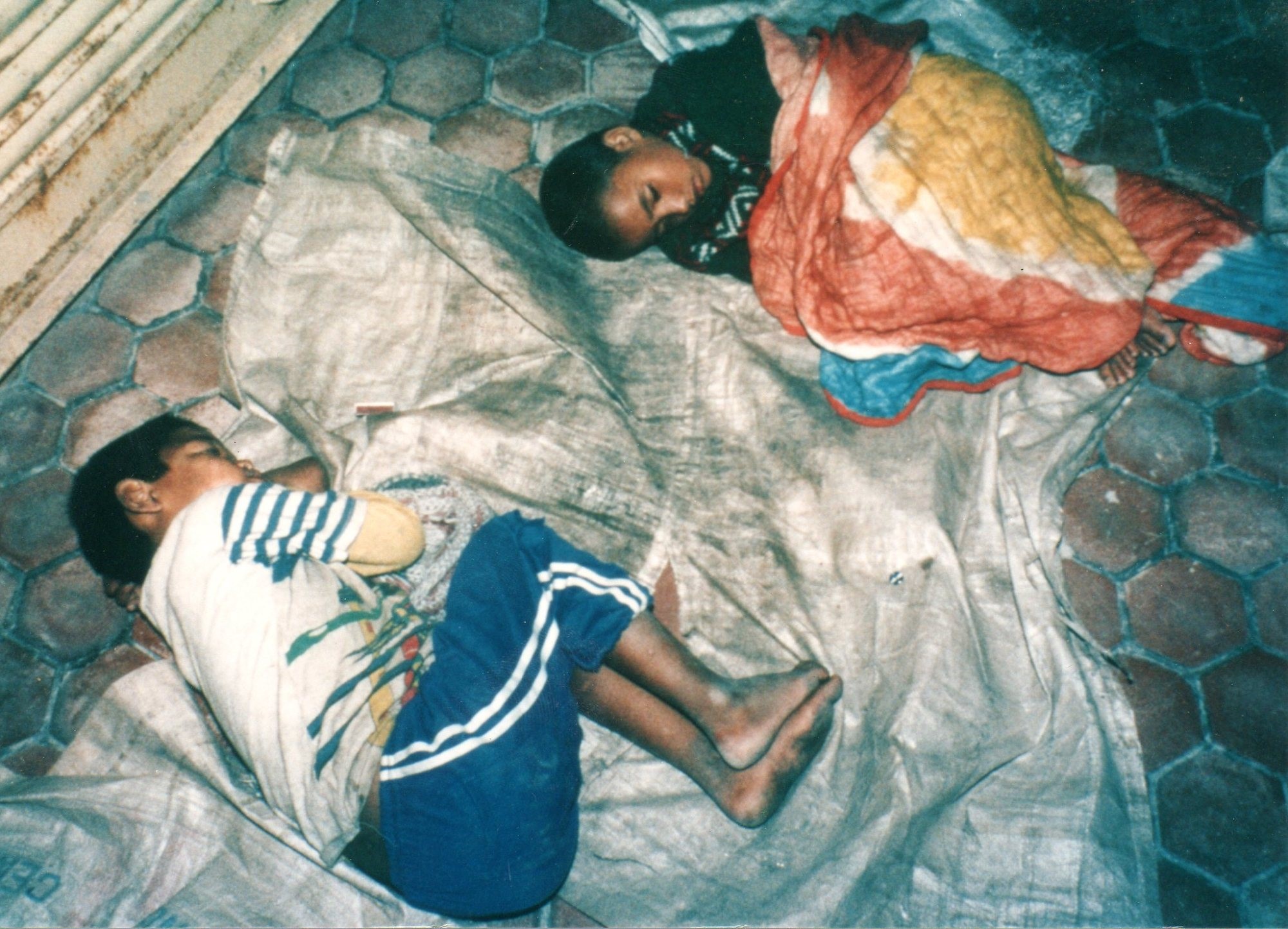

Visitors to Kathmandu frequently come across these abandoned children begging or retrieving pieces of polythene bags from the garbage heaps to sell them to dealers in order to survive. Stealing and cheating is common practice among them. They don’t care whether it is right or wrong; the only thing which matters for them is survival at any cost.

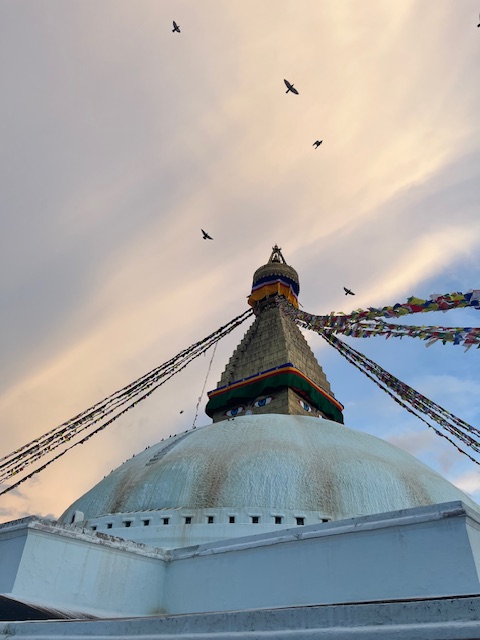
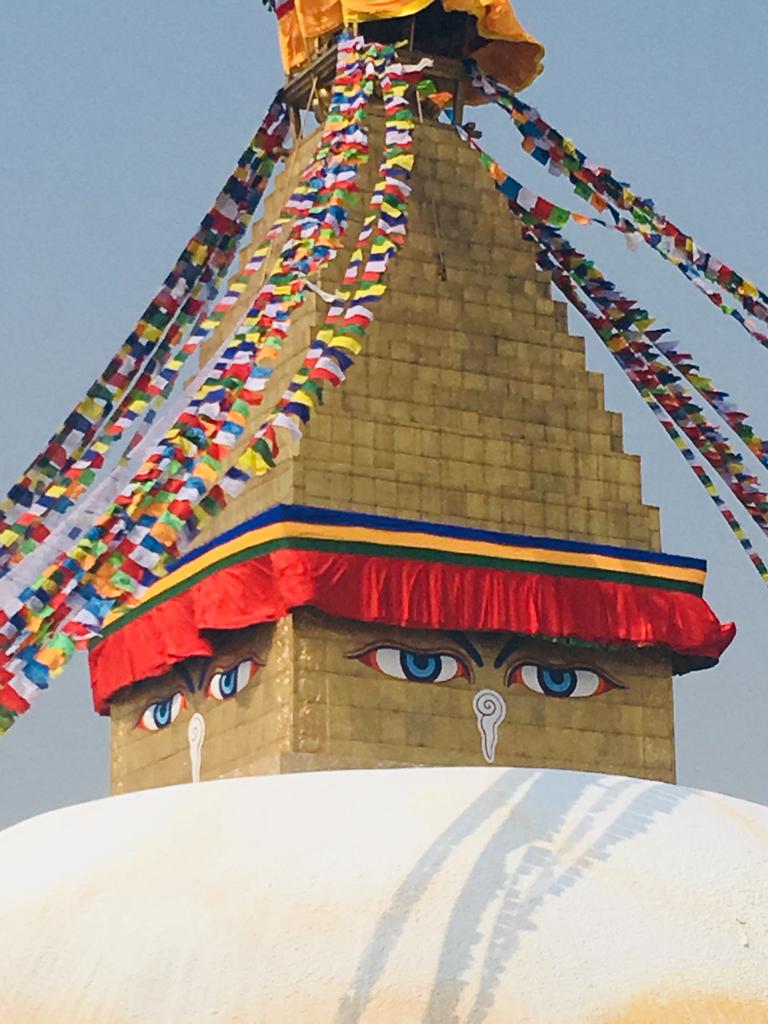
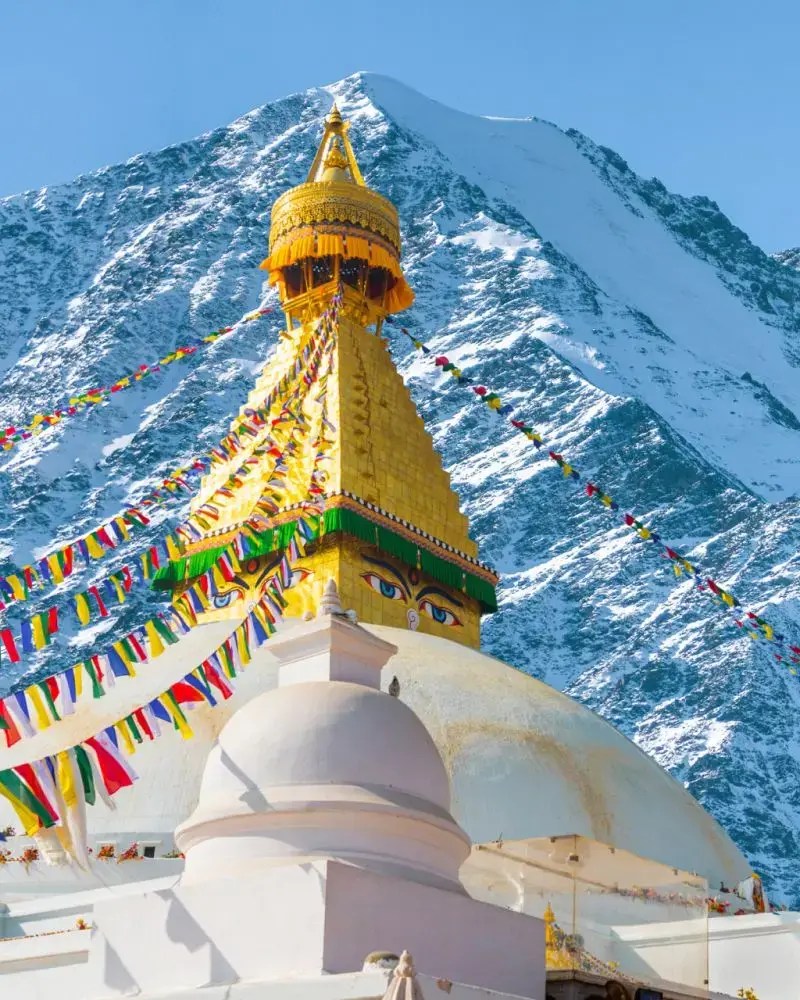
Many of these neglected children who come to Kathmandu in search of a better life end up in Bouddha Nath. Bouddha Nath is a place of pilgrimage for the Buddhists and a tourist attraction. Here the children claim they can get more money from begging than in any other place in Kathmandu.
The first encounter
Prakash, then 12 years of age, was living in the streets of Bouddha Nath in January 1991. His life had been a series of miseries. His parents were among the poorest low-caste peasants living in a remote village in the mountains of Nepal. Prakash had nothing to do during the day because there was no work in the village. One day, his father, who had drunk too much, beat him and chased him away from home.
Prakash fled his village to head for Kathmandu. There, at the age of ten, he started to work, first in a carpet factory and then in a restaurant as a waiter. He went out at five in the morning and rarely finished work before ten at night. His boss, however, did not want to pay him and, as if that were not bad enough, he abused him, until Prakash ran away.
He started begging in Thamel where tourists pour in. But later he heard of Bouddha Nath where the Tibetans were generous with the beggars. Thus, he came to Bouddha Nath, where I met him.
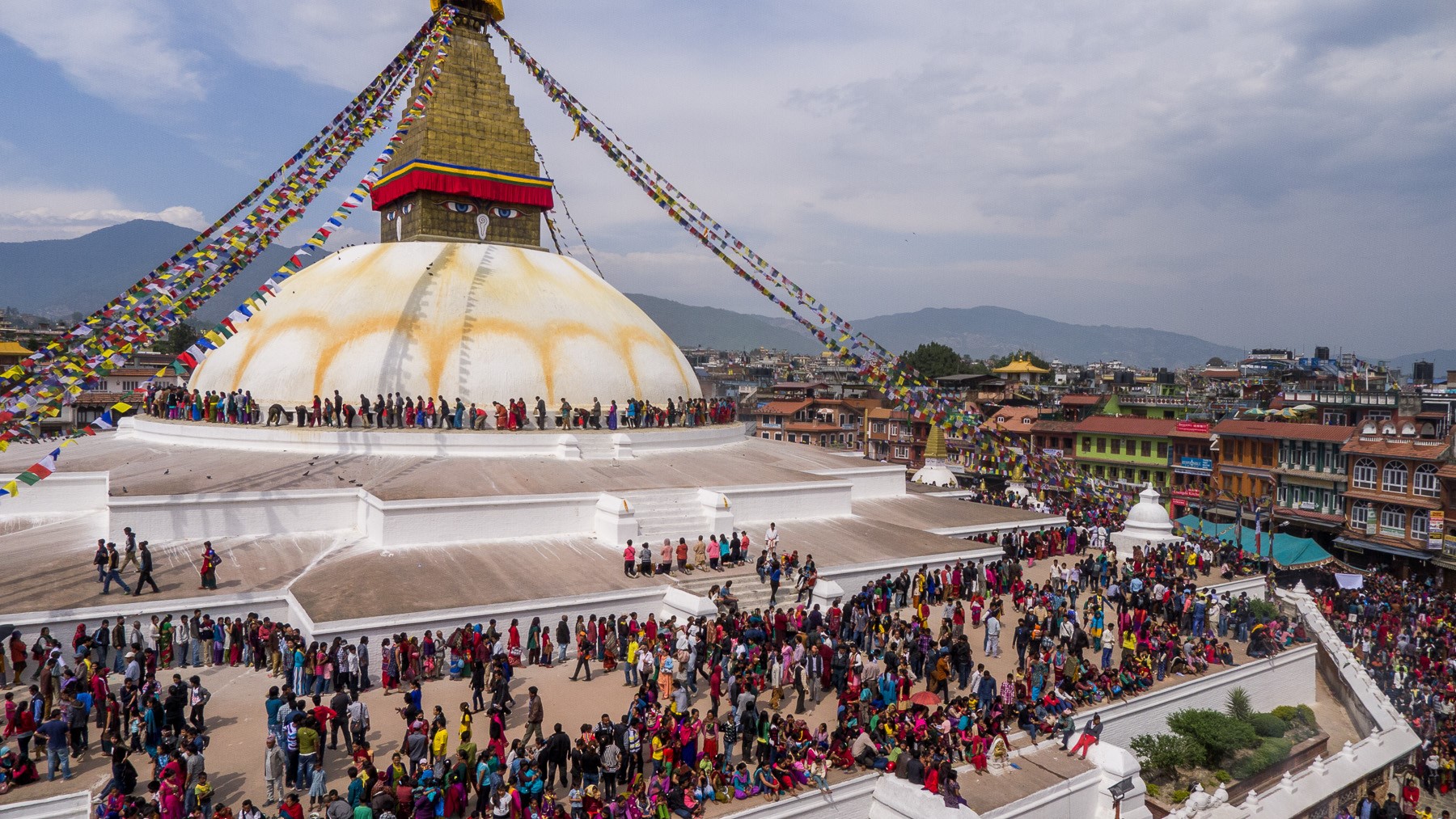
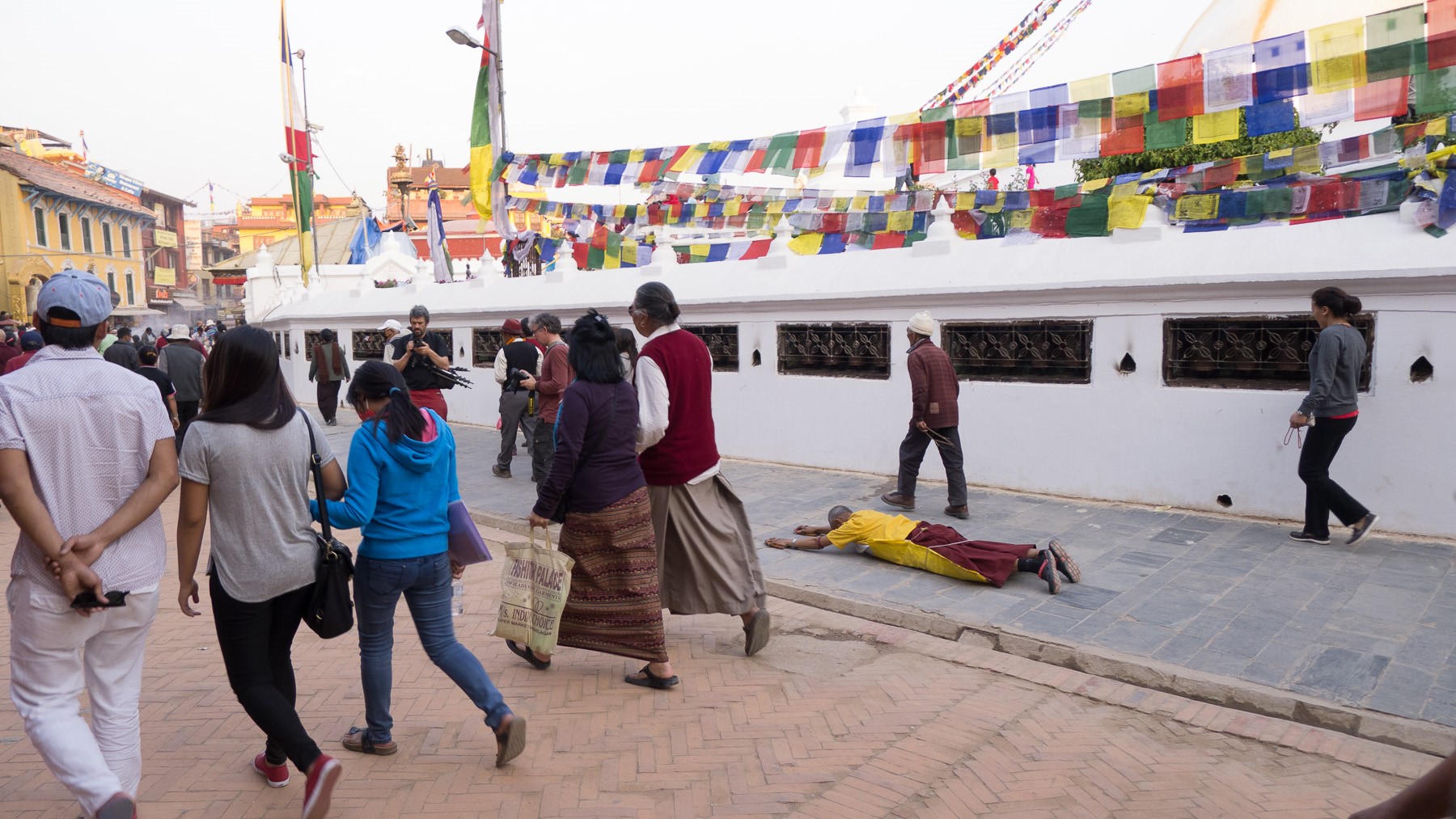
Parakash laughed in defiance of the world. I turned my head. He was standing on the stupa amidst a band of street kids. I continued to walk around the stupa. But he quickly caught me.
“Ten rupees”, he said. I acquiesced. “Where are you from?”, I asked. But “ten rupees” was the whole extent of his knowledge of English, and I did not speak Nepalese. We could hear the trumpets sound and the cymbals clash at the nearby monastery.
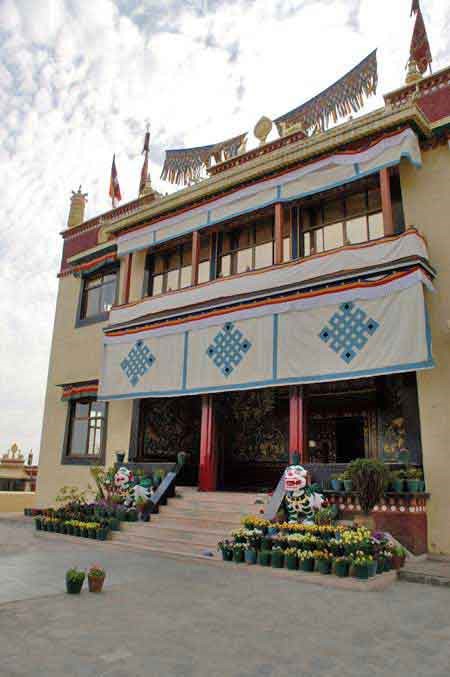
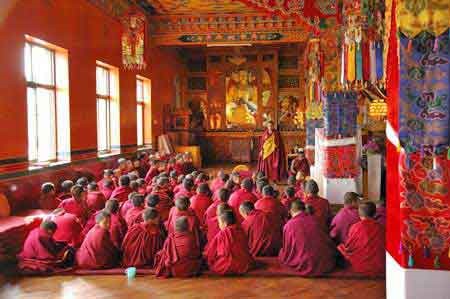
He motioned me to follow him, and we headed toward the monastery. We entered the monastery. The Lama was sitting in a small empty room. I had no idea of what I was doing in this place, but the Lama greeted us with a warm and very gentle smile.
Prakash and I sat on a rug. “Where did you meet this boy?”, asked the Lama. “Around the stupa”. The Lama started to talk to Prakash, and this is how I came to learn about Prakash’s life and the fate of street kids in Nepal.
“Is there something I can do to help him? I asked. “Yes, there is”, answered the Lama, “you can buy him clothes and give him food. But if you really want to help him, you have to give him an education”.

Our commitment
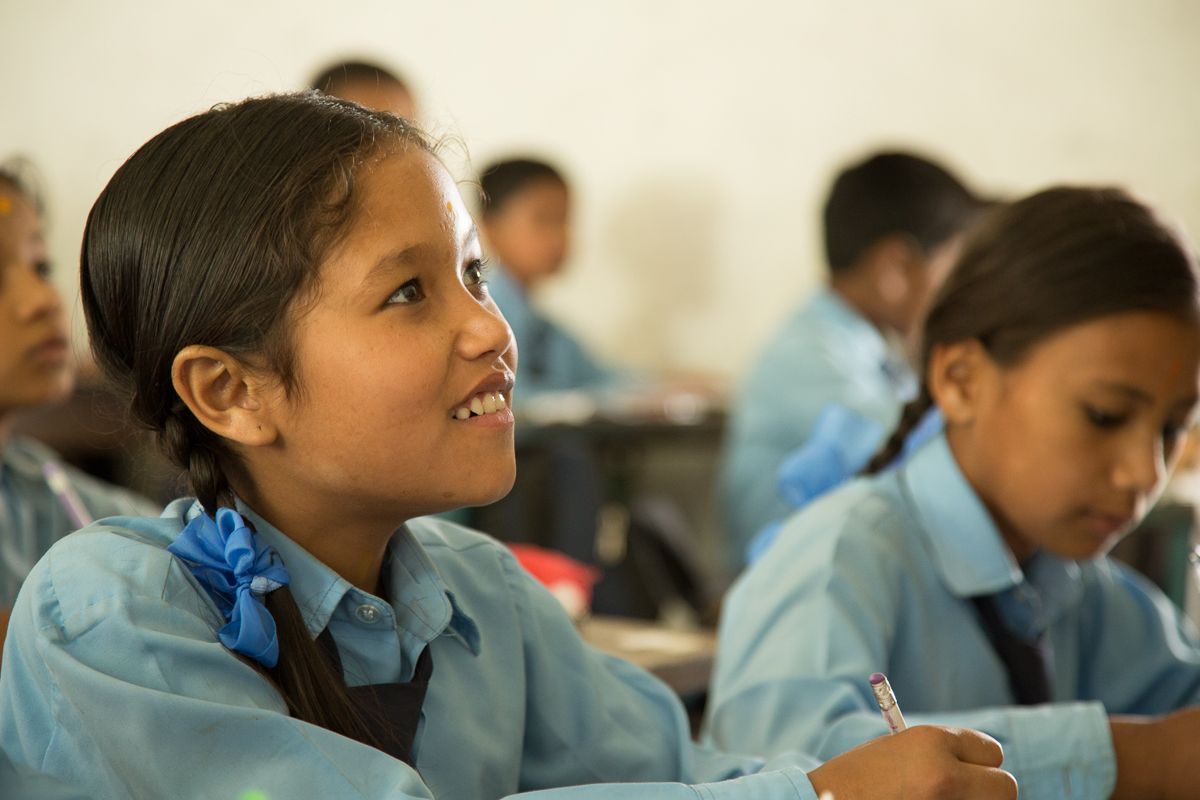
Our project focuses on educating and caring for some of the most destitute children of Nepal. Our approach is anchored in the conviction that education is the cornerstone of the strategy needed to alleviate poverty and promote self-sustaining personal development.
Fundamentally, we want to give back to some of the world’s most disadvantaged children what we received from our parents, our teachers, and our schools, namely, and crucially, a quality education.
Our goal is not for all the children we look after to excel academically, but to enable all of them to achieve their potential.
Our programs take two main forms:
– Complete sponsorship, i.e. the full support (schooling, accommodation in a foster home or boarding school, food, medical care, clothes, etc.) of a child until the end of its school curriculum. Full sponsorship (the most expensive formula since all the child’s expenses are financed by the Association) is only set up for children in absolute poverty (orphans, street children or children from totally destitute families).
– School sponsorship, i.e. the financing of a child’s education and school supplies. School sponsorships are aimed at children who are poor but whose families have sufficient resources to meet their basic needs (housing, food).
Sponsored children are normally supported until they complete their Secondary Education Examination (SEE) (Class 10 Final Exam). Then, depending on their abilities and desires, they are directed either towards a vocational education which enables them to find a suitable job or towards a higher education in university to obtain a bachelor’s degree or a master’s degree.
Achievements
The non-profit association ‘Solidarité Enfance Asie’ (SEA) was created in France in 1996, with nine children already sponsored by individual sponsors in previous years since 1991.
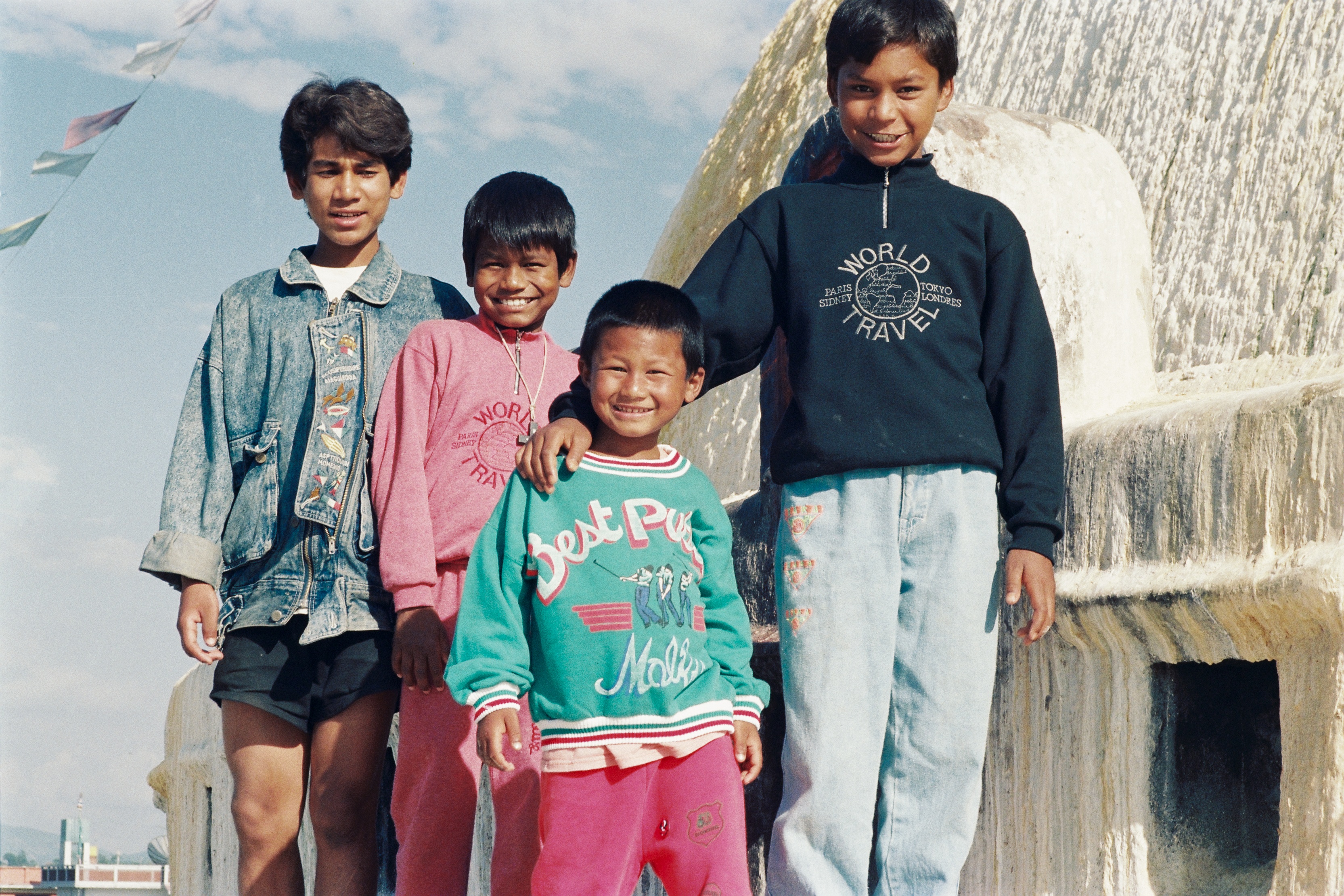
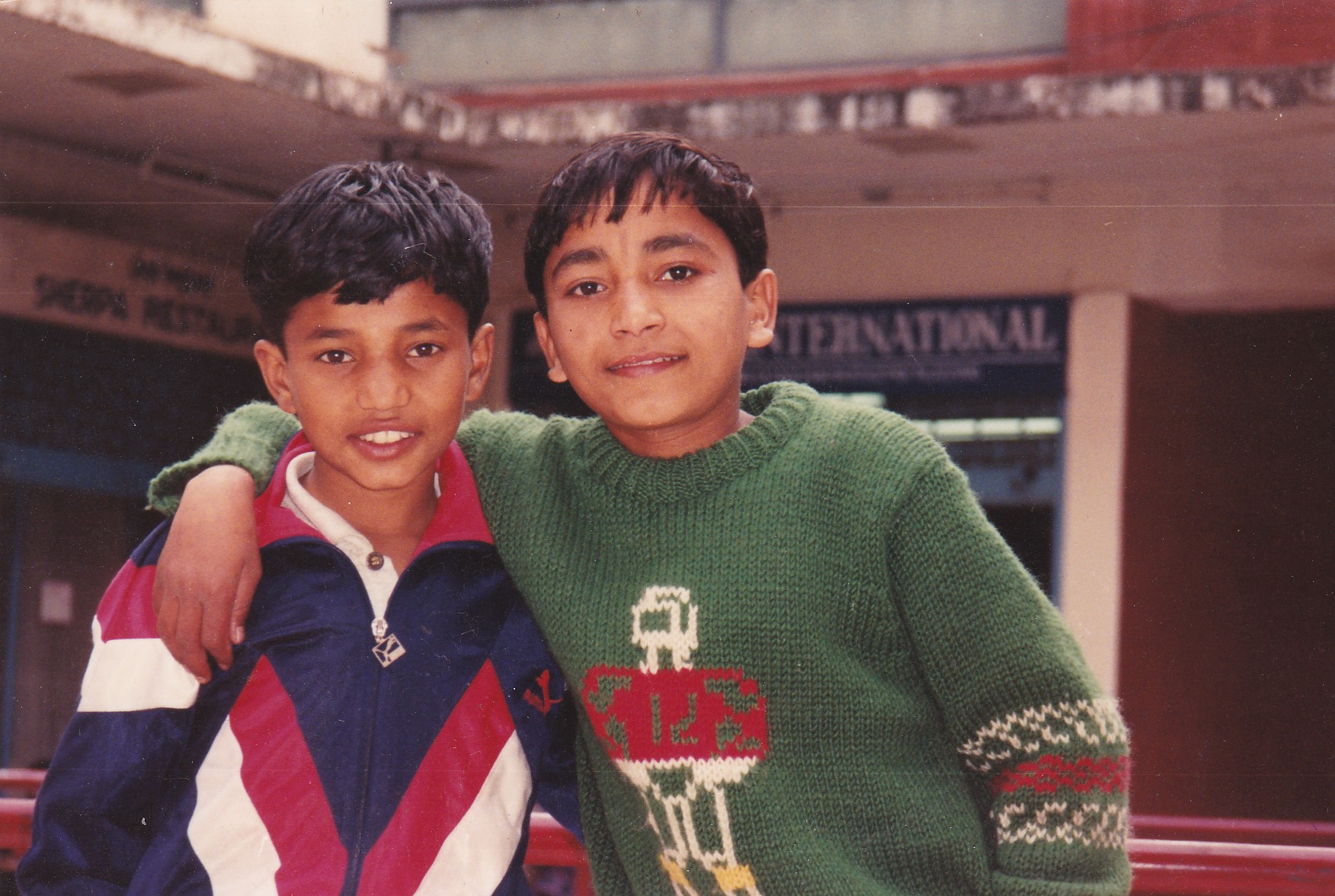
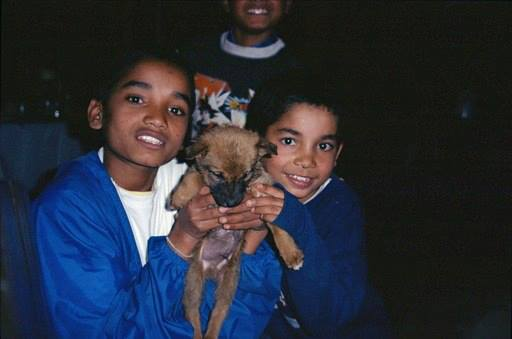
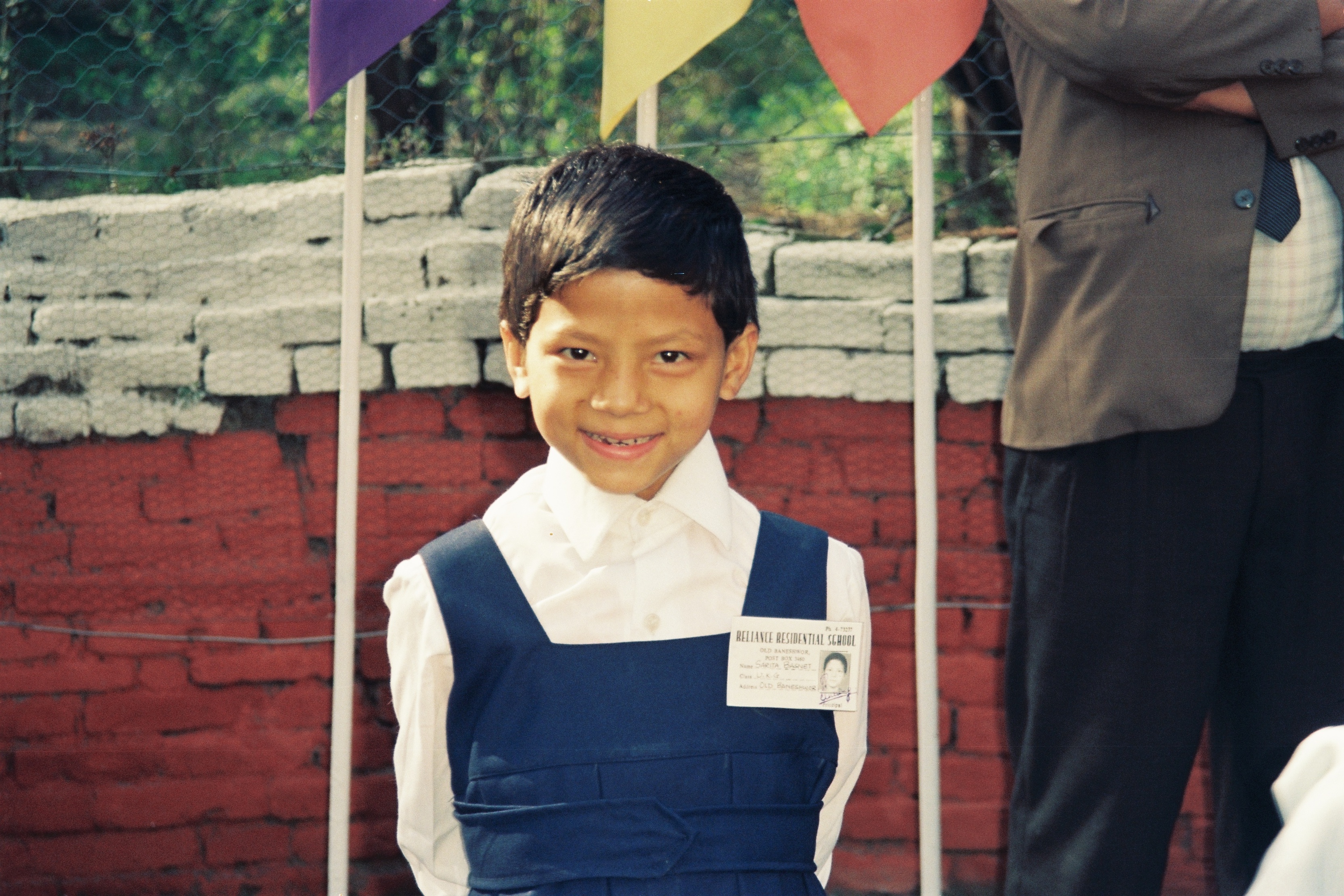
SEA has no overhead costs: 100% of the Association’s resources are allocated to financing expenses directly related to children in Nepal.
SEA pays for higher education, which sets it apart from almost all other NGOs.
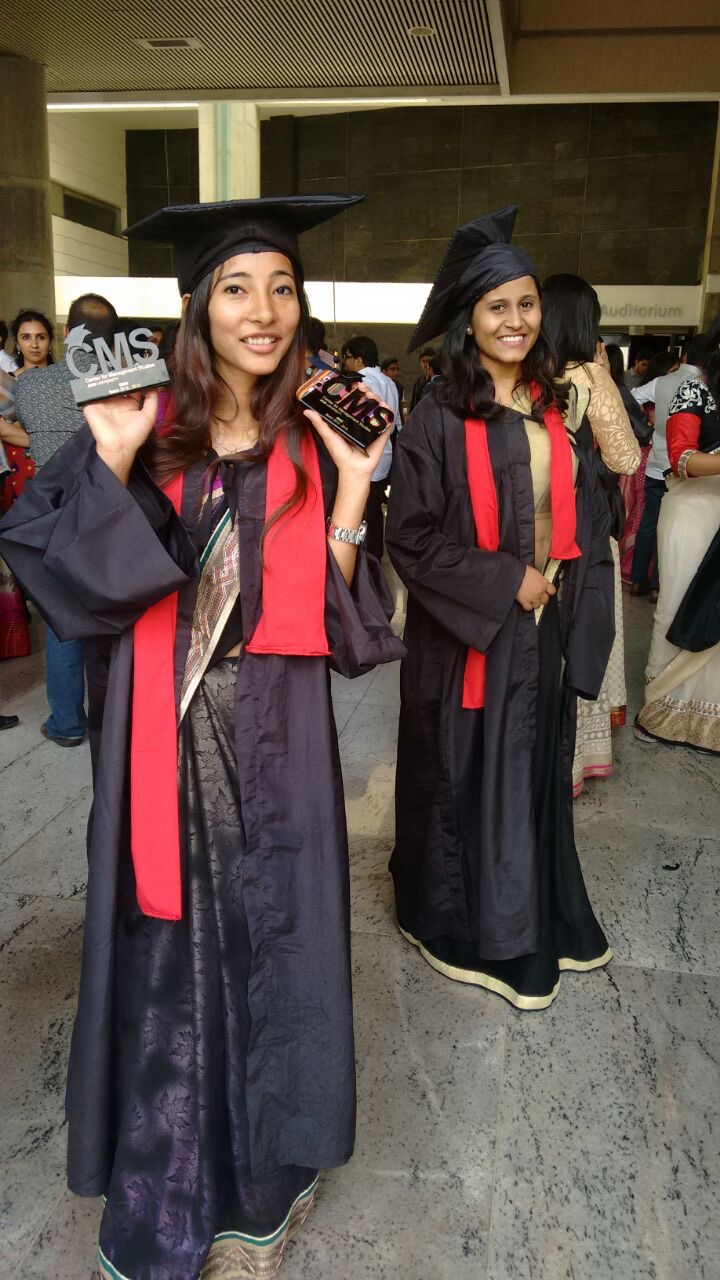
Since 1991, more than a hundred children have been sponsored, including seventy-four fully sponsored, some for 15 to 20 years.
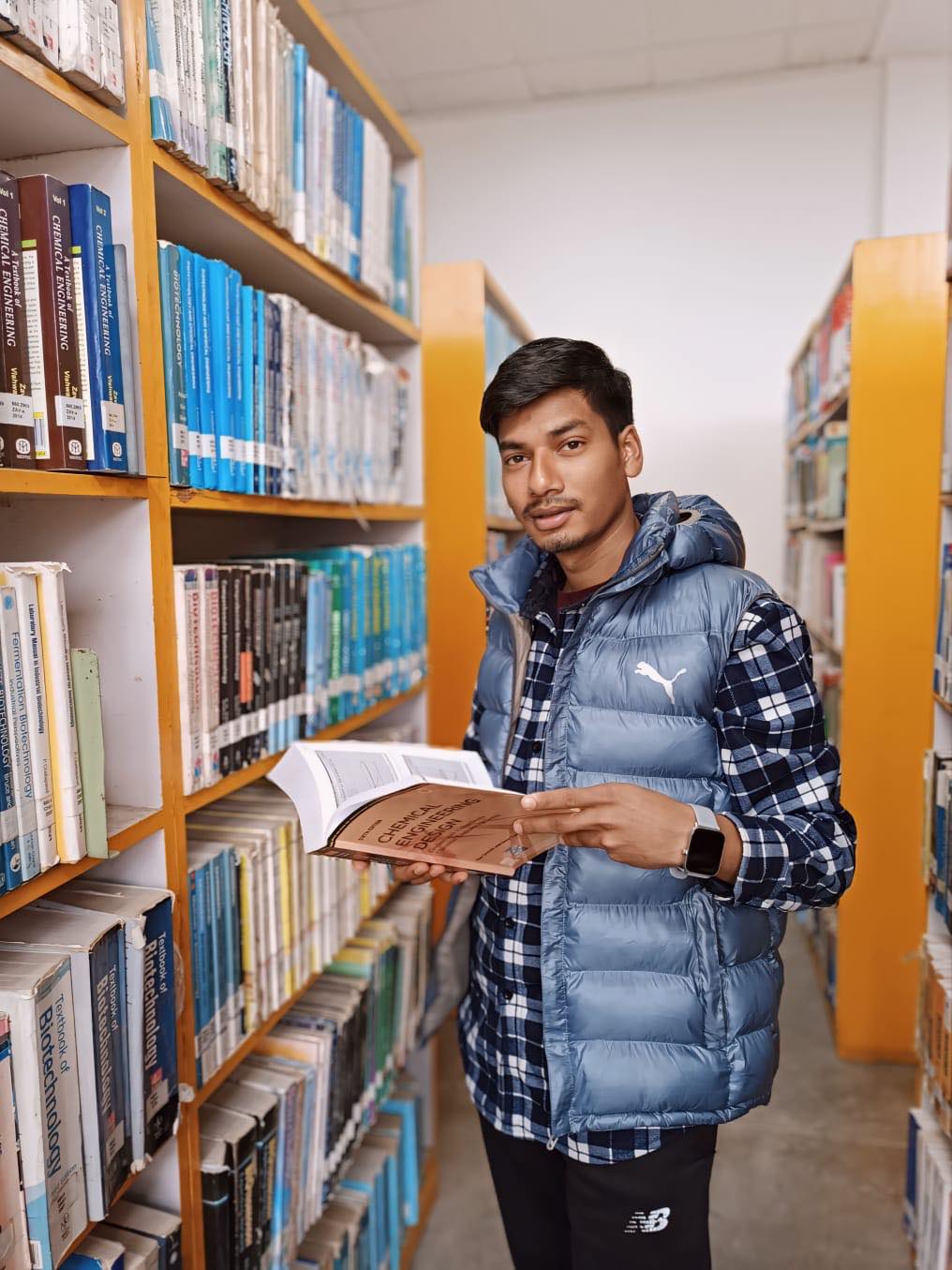
As of April 30, 2025, 22 youngsters obtained a bachelor’s degree (four years of university education) or a master’s degree (six years of university education). The association has enabled some of the poorest of the poor to become engineers, pharmacists, nurses, accountants, teachers, businessmen, etc.
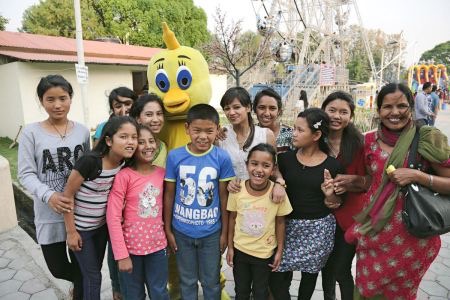
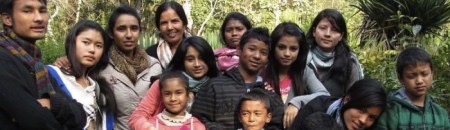
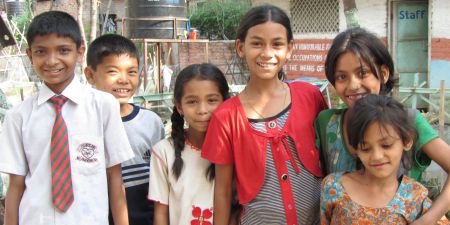


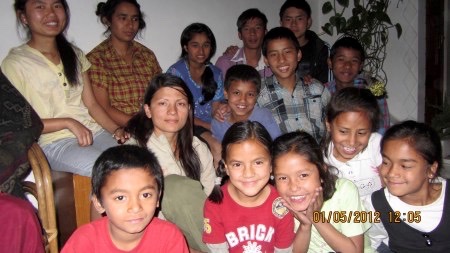
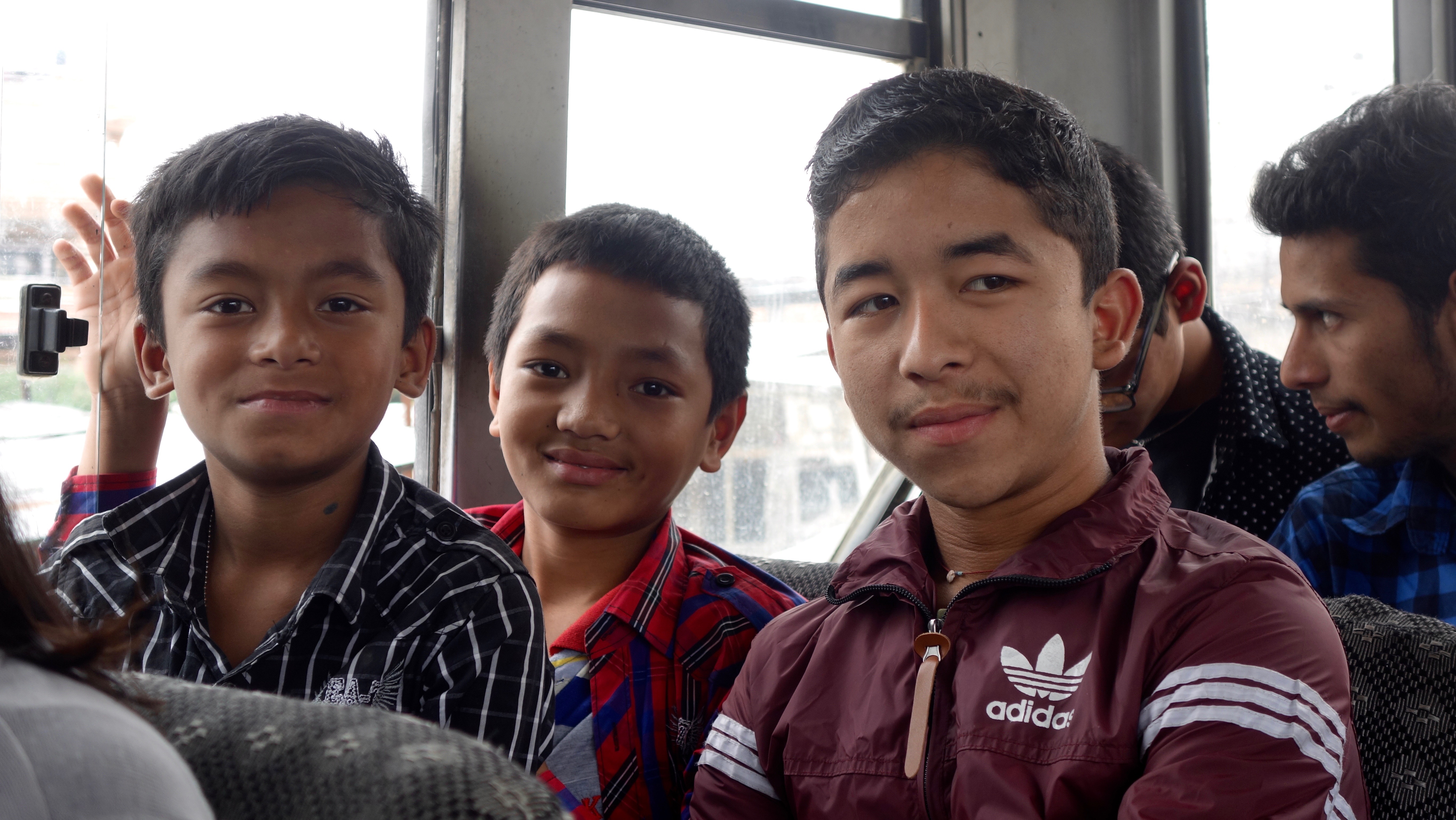
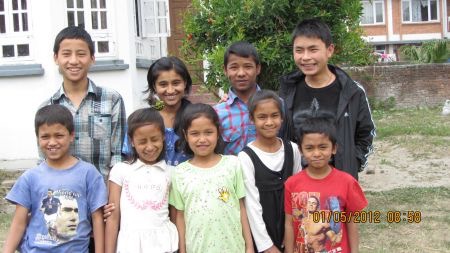
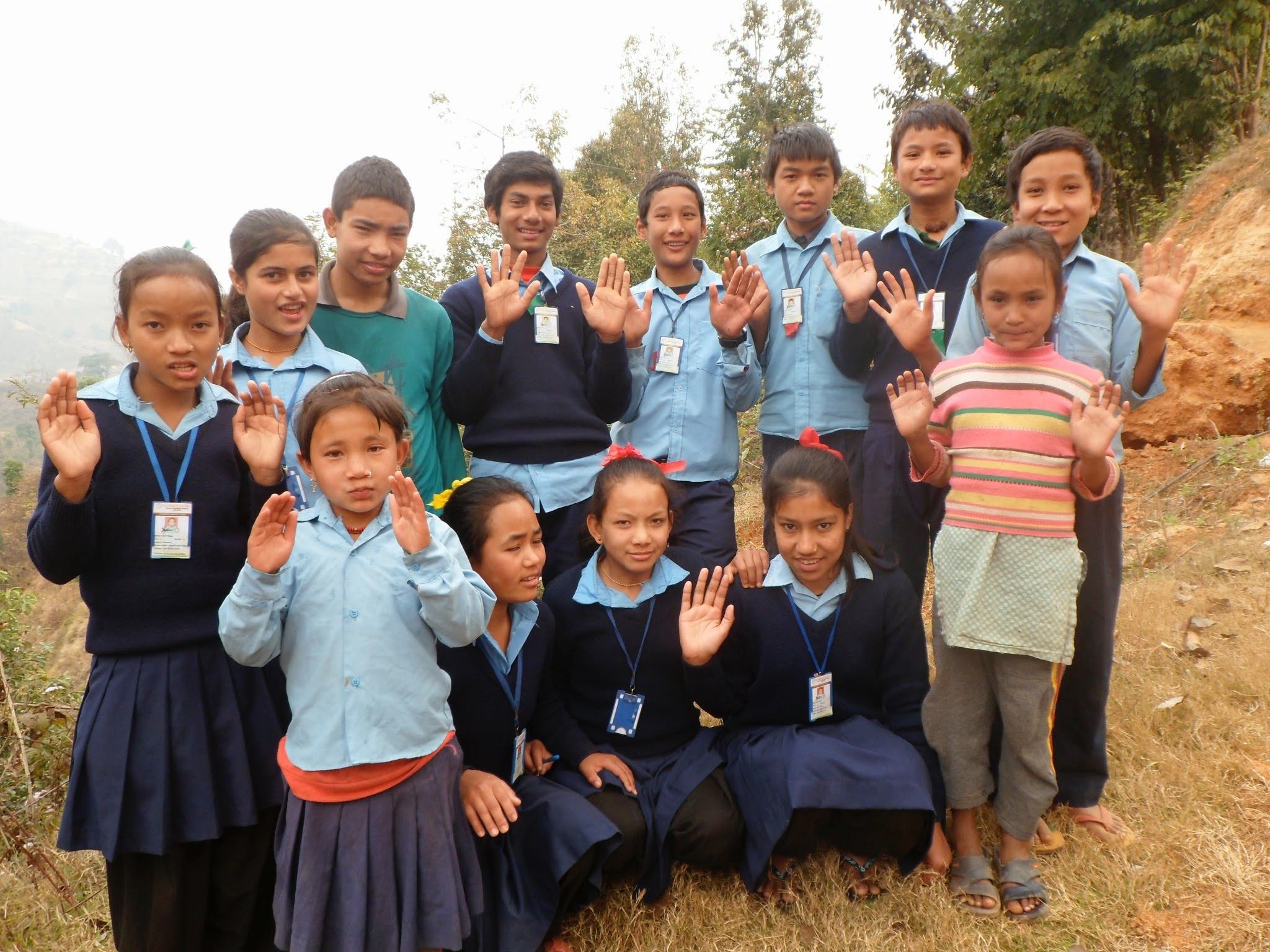
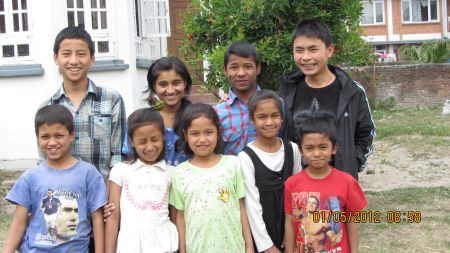
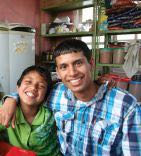

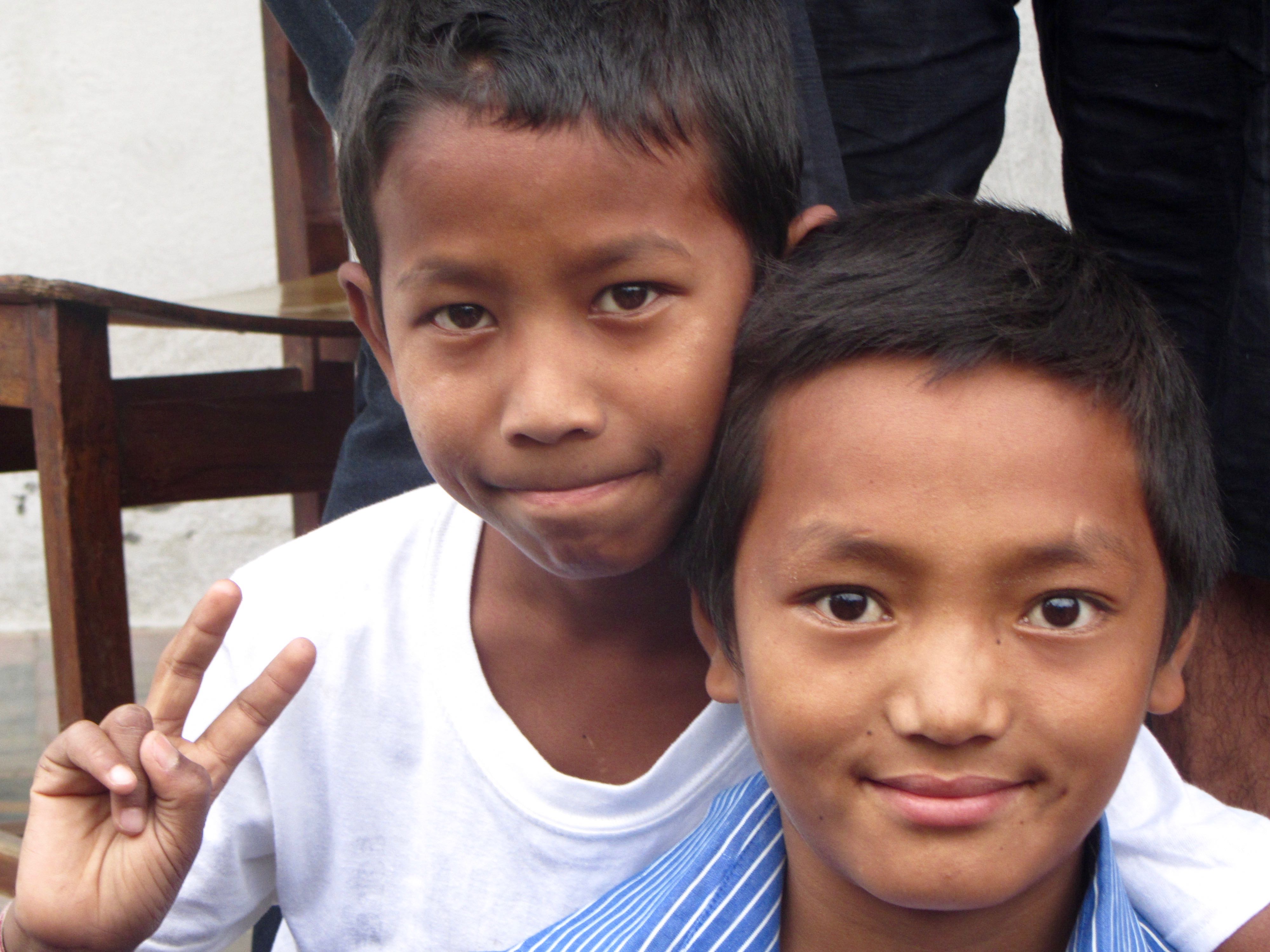
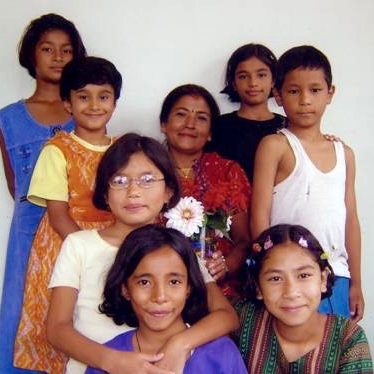
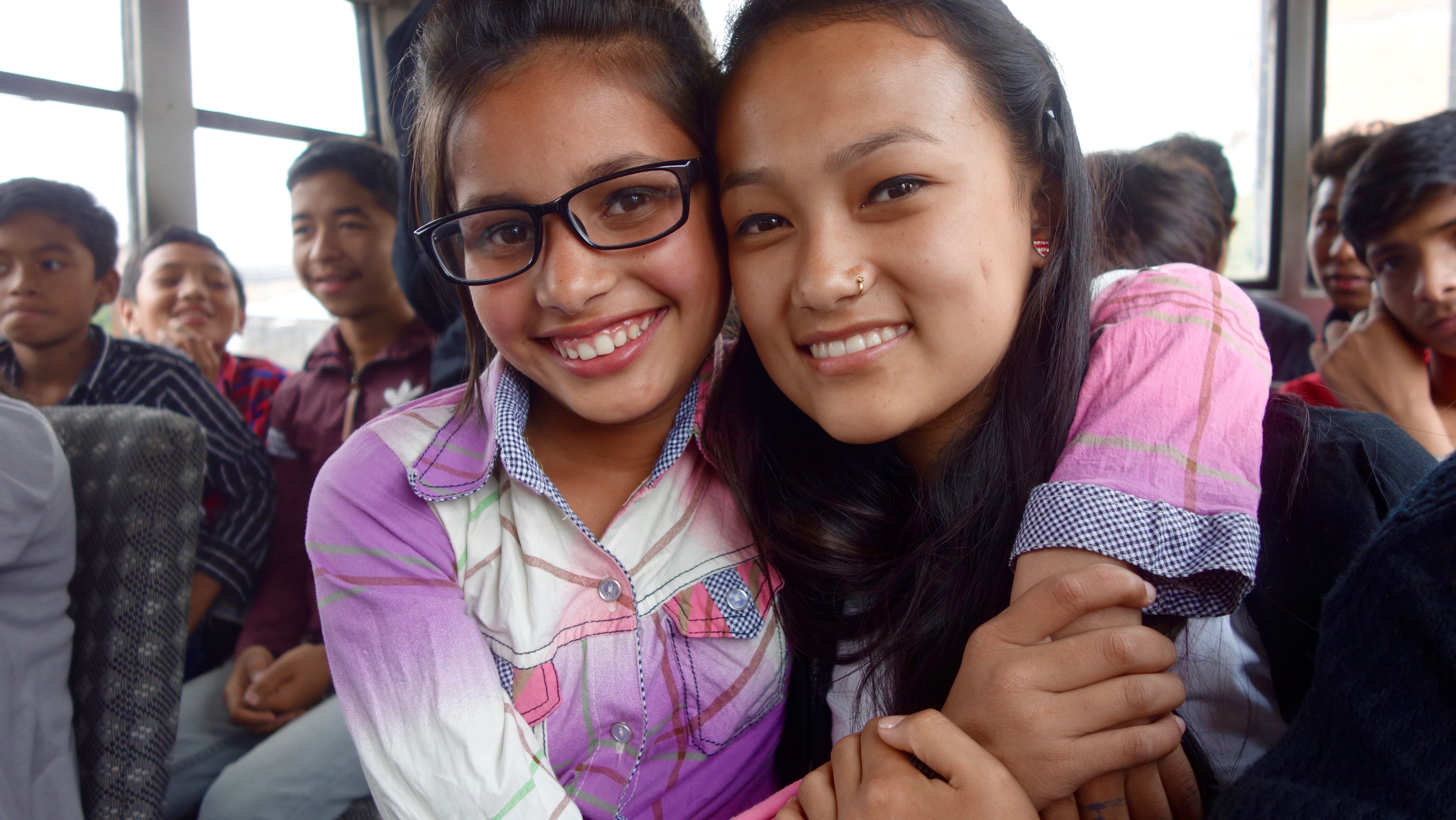
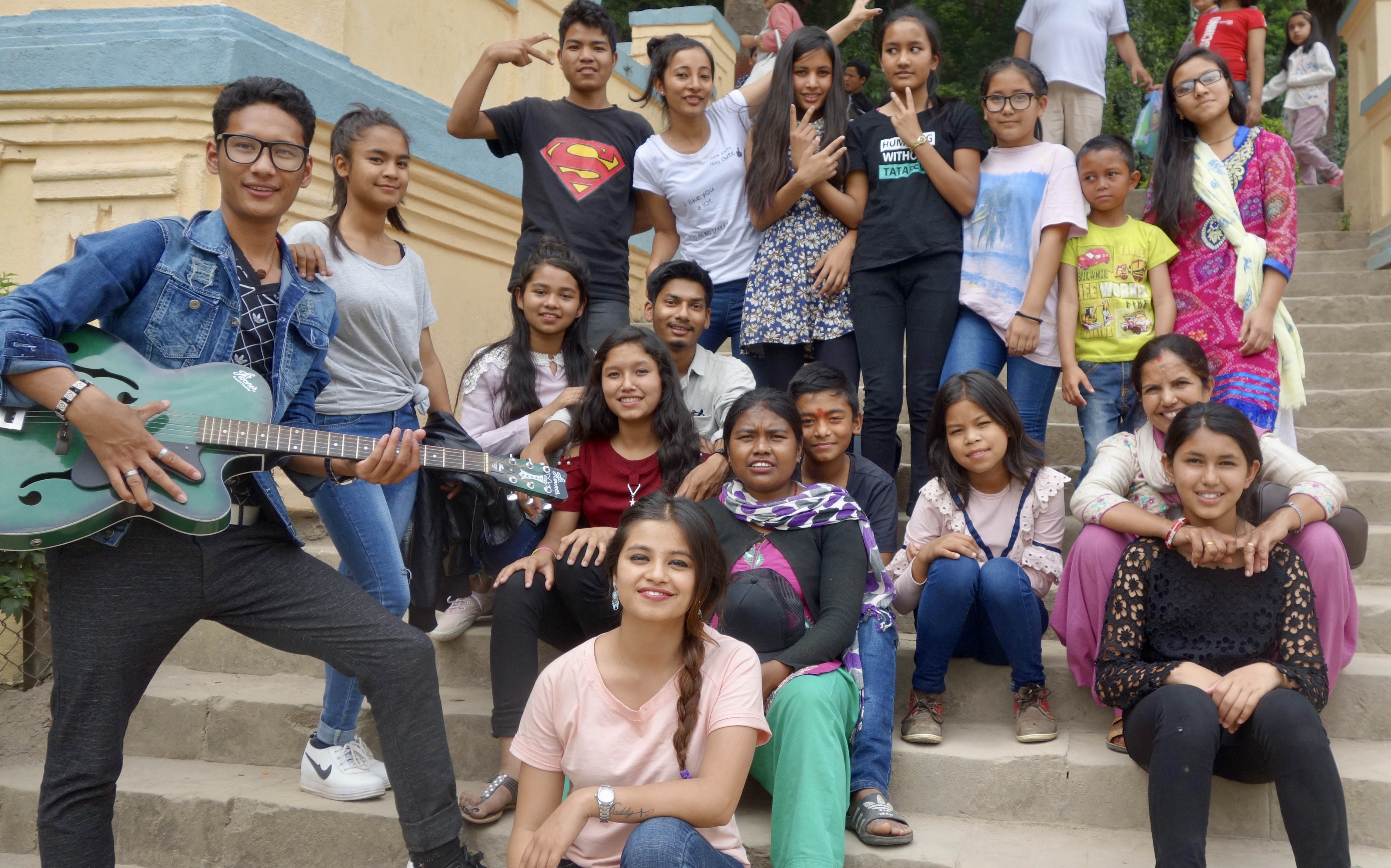
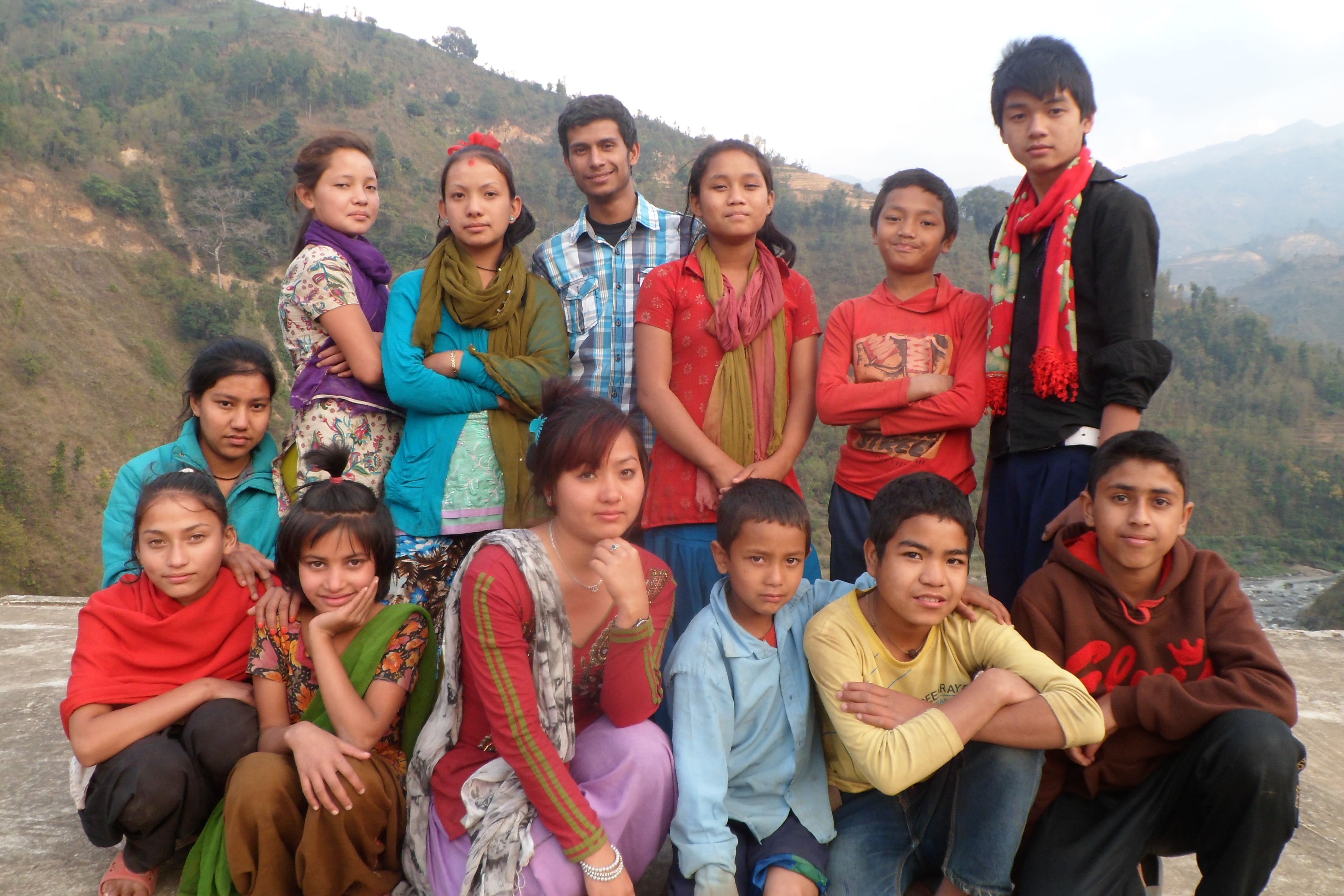
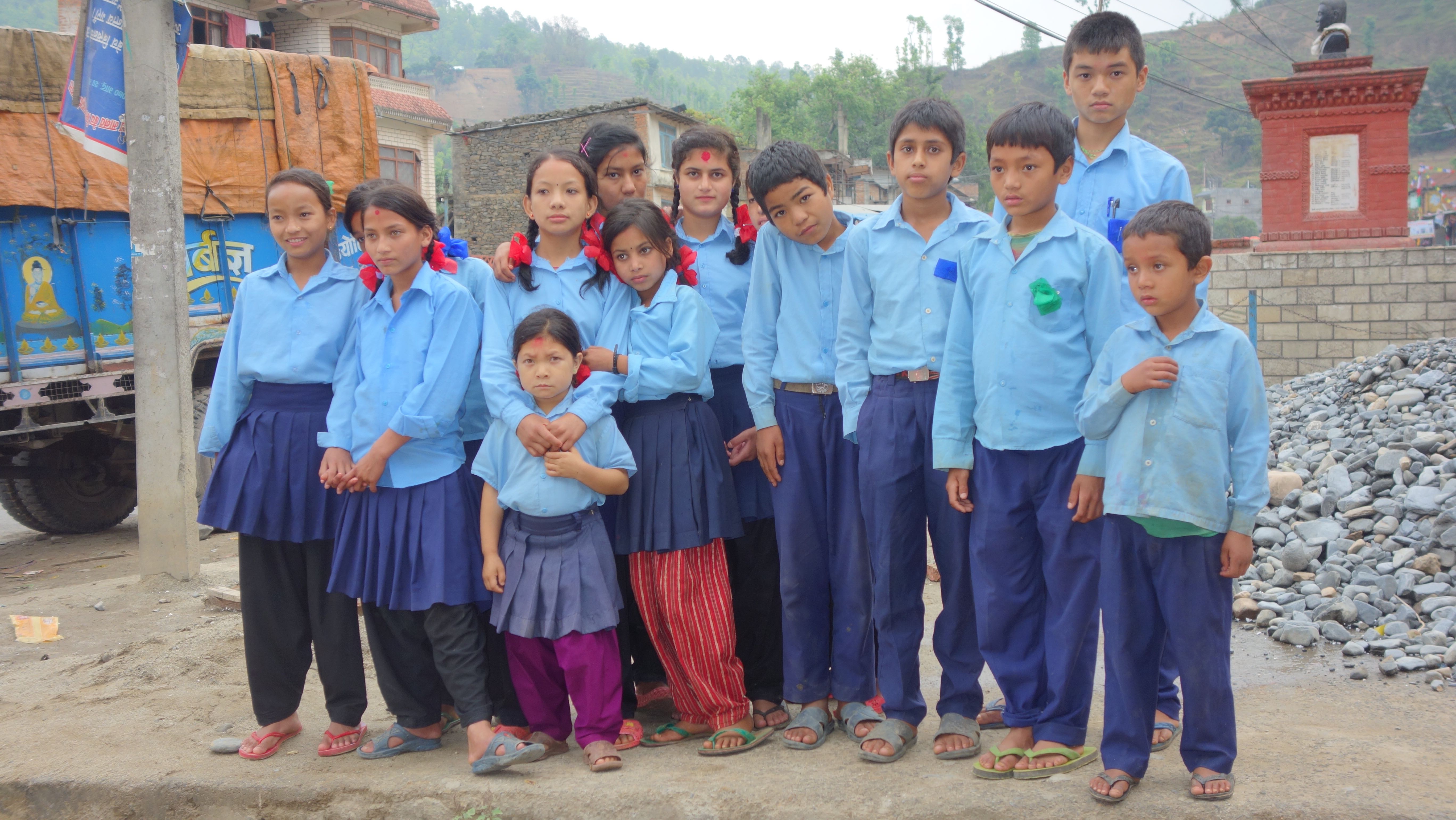
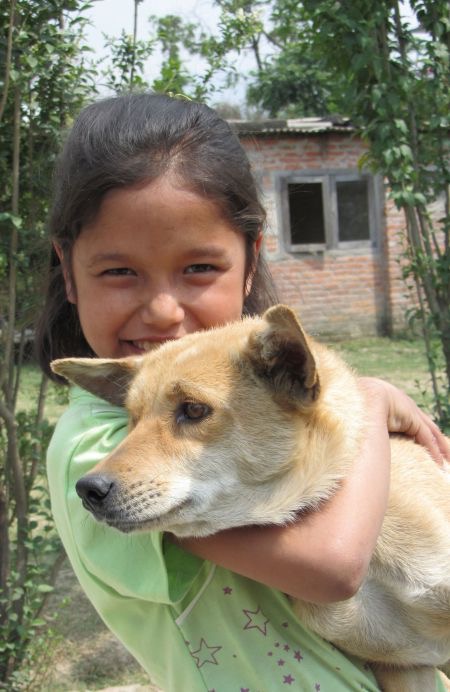

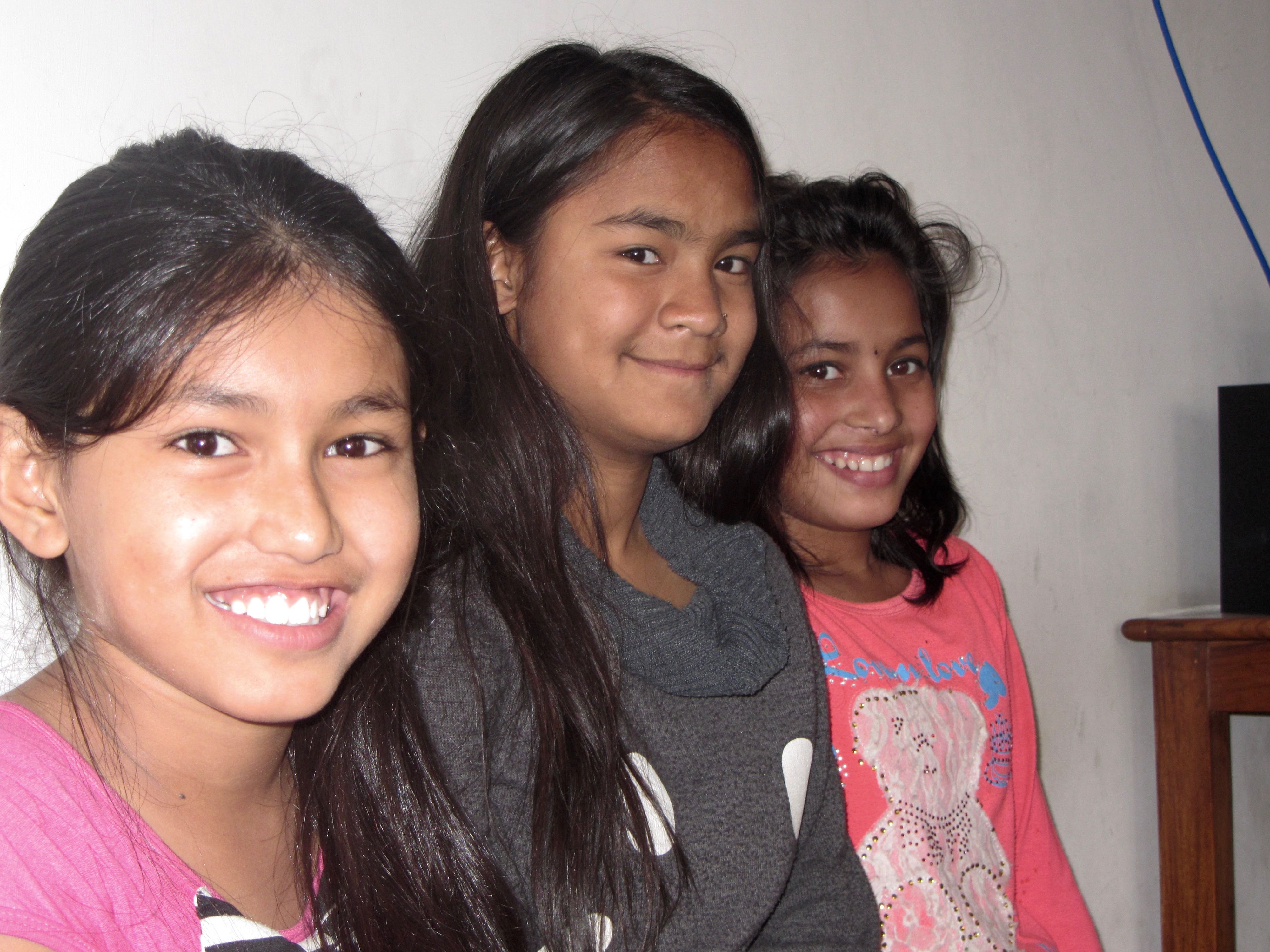
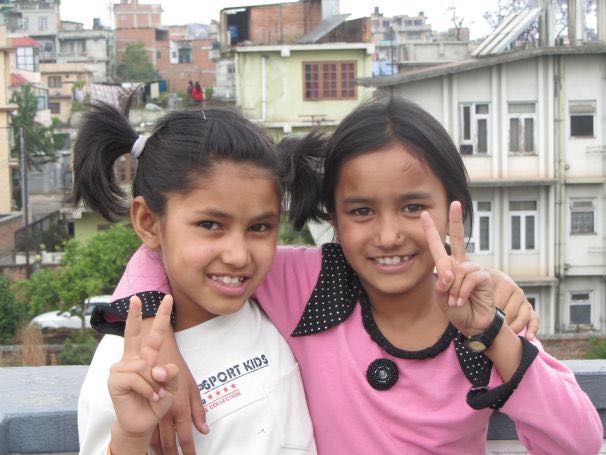
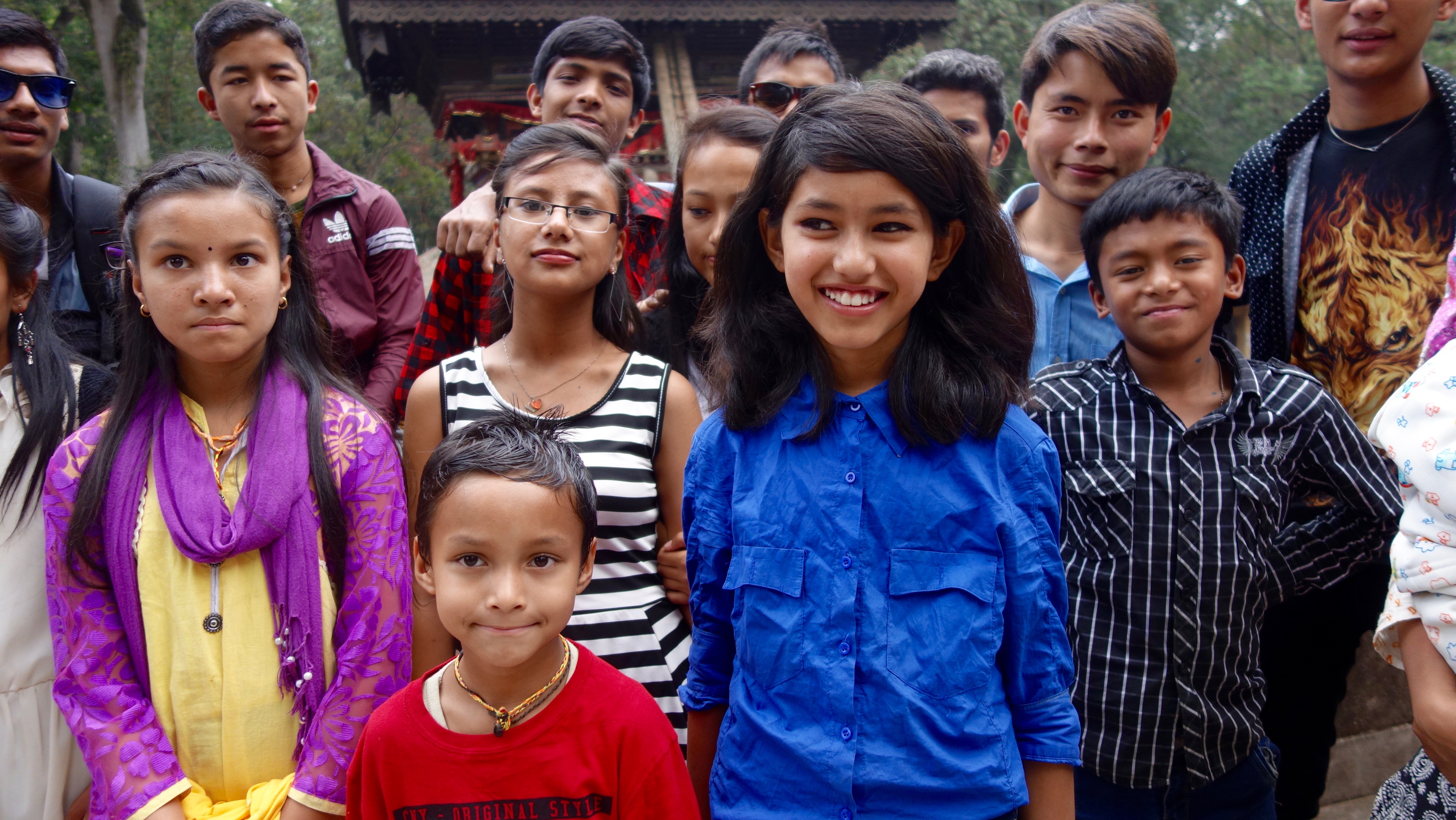
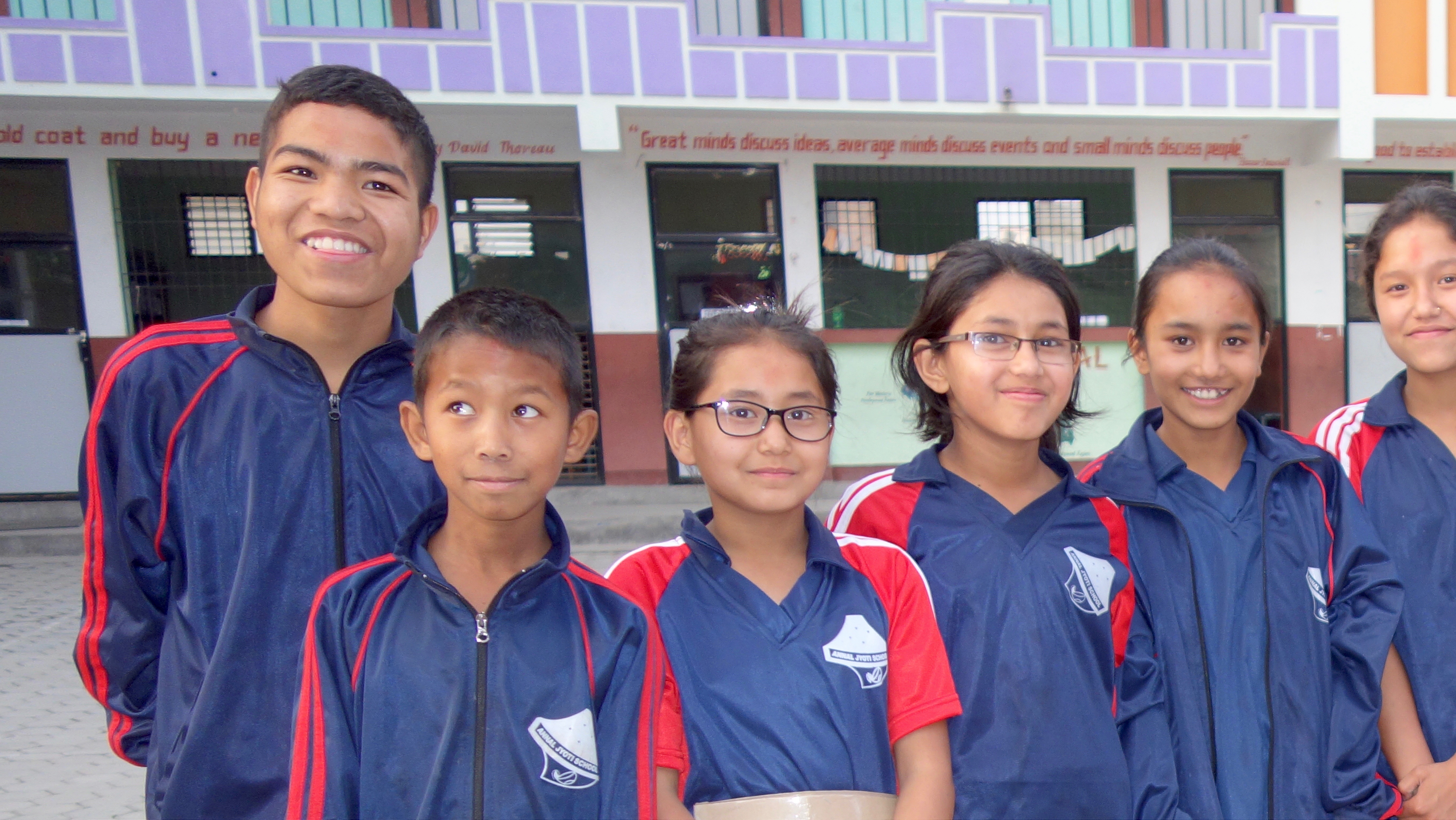
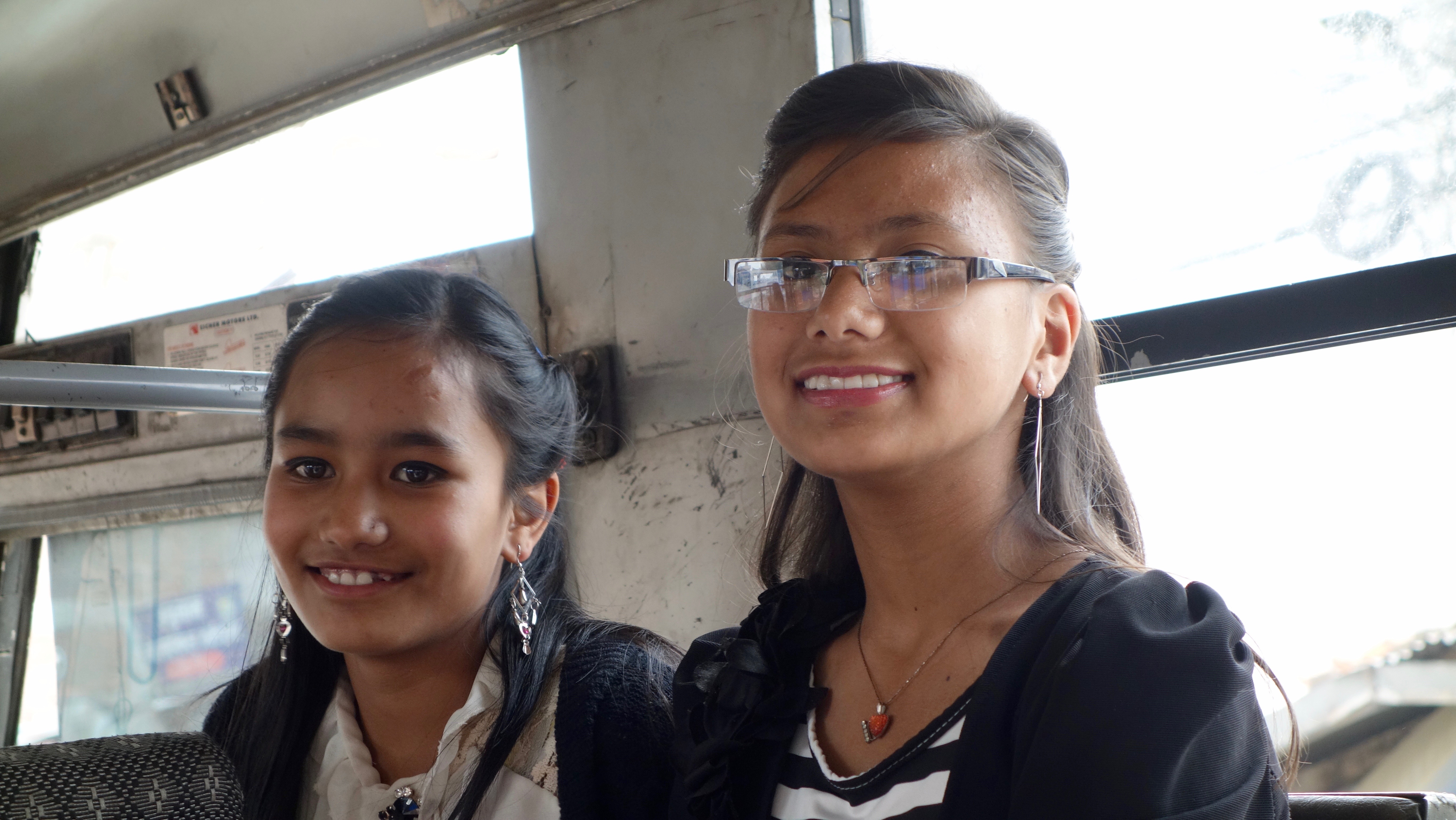
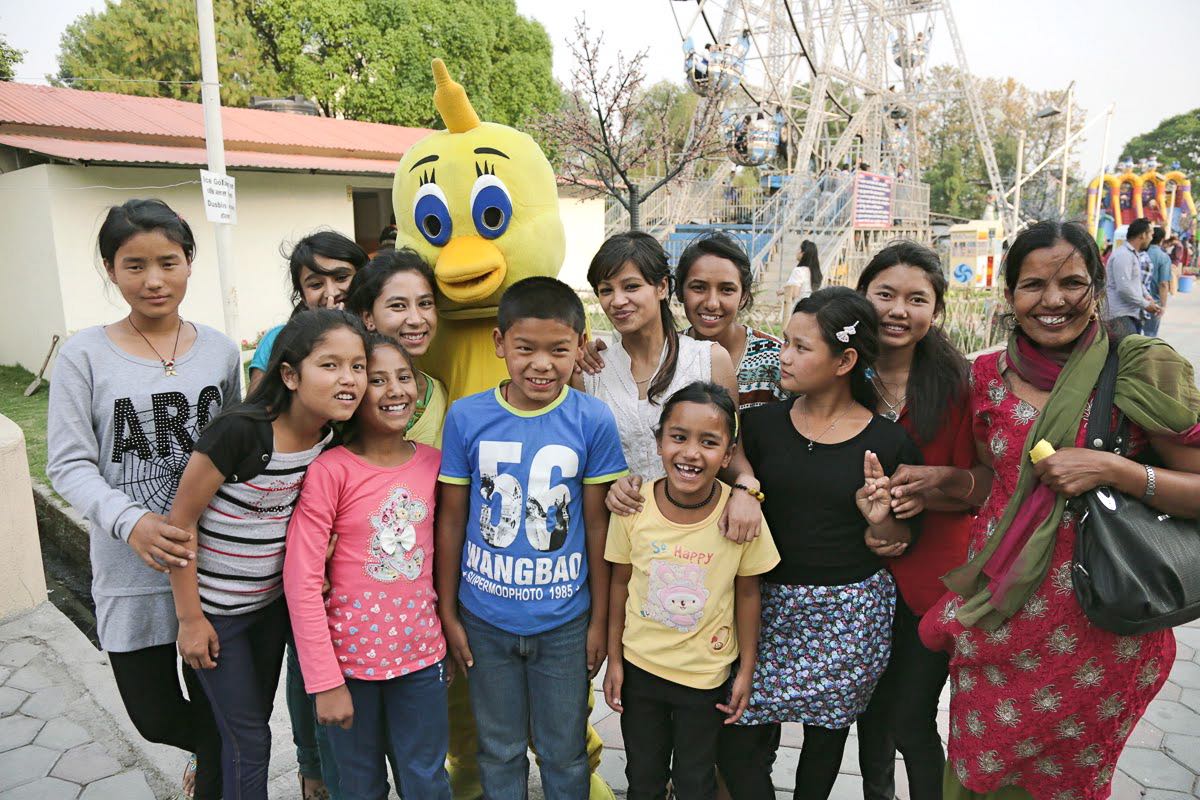

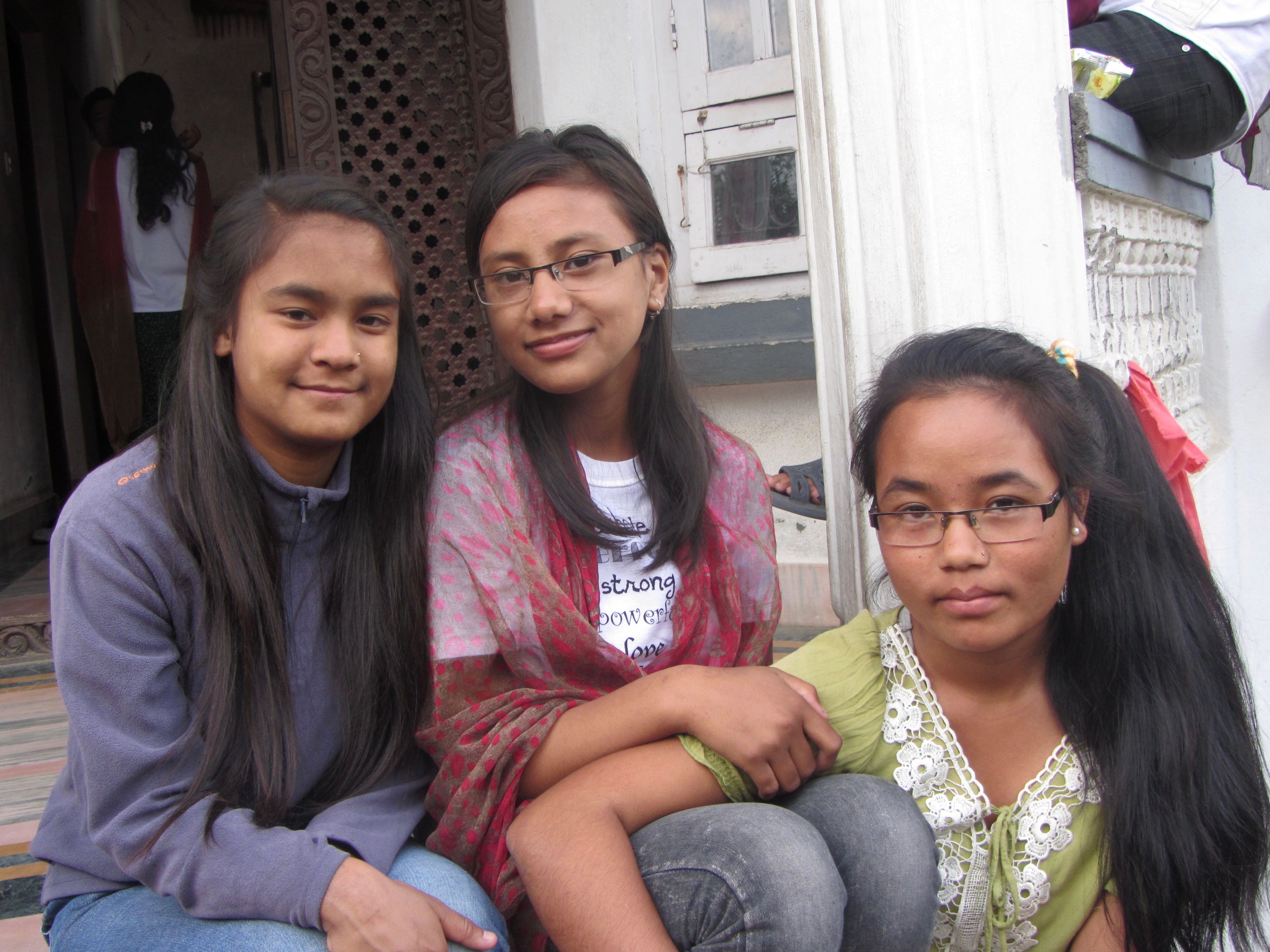

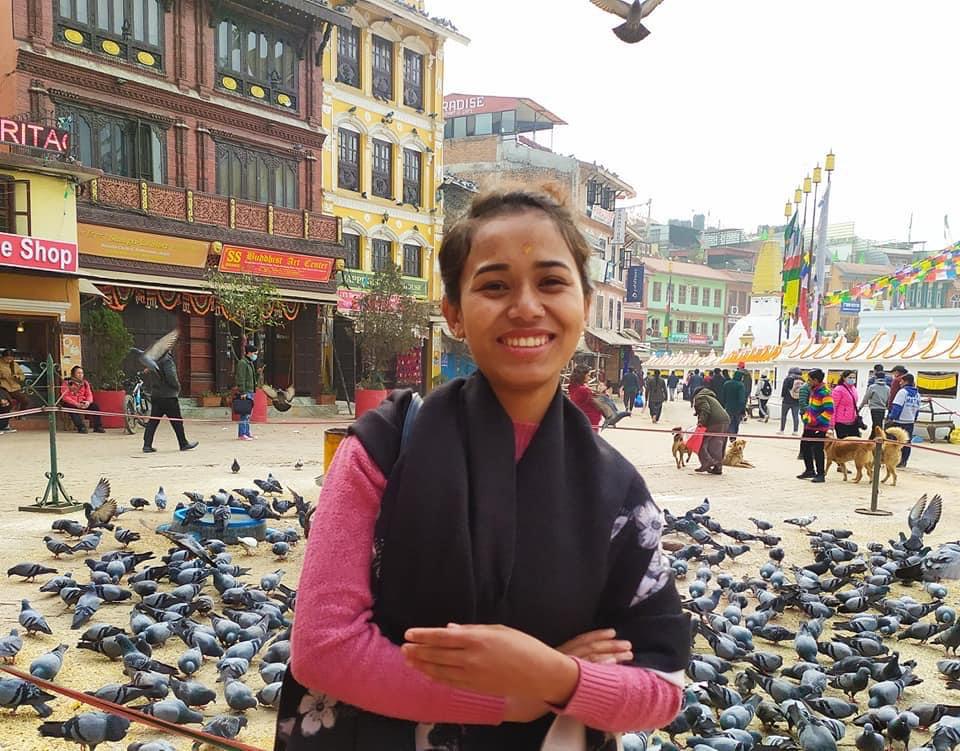
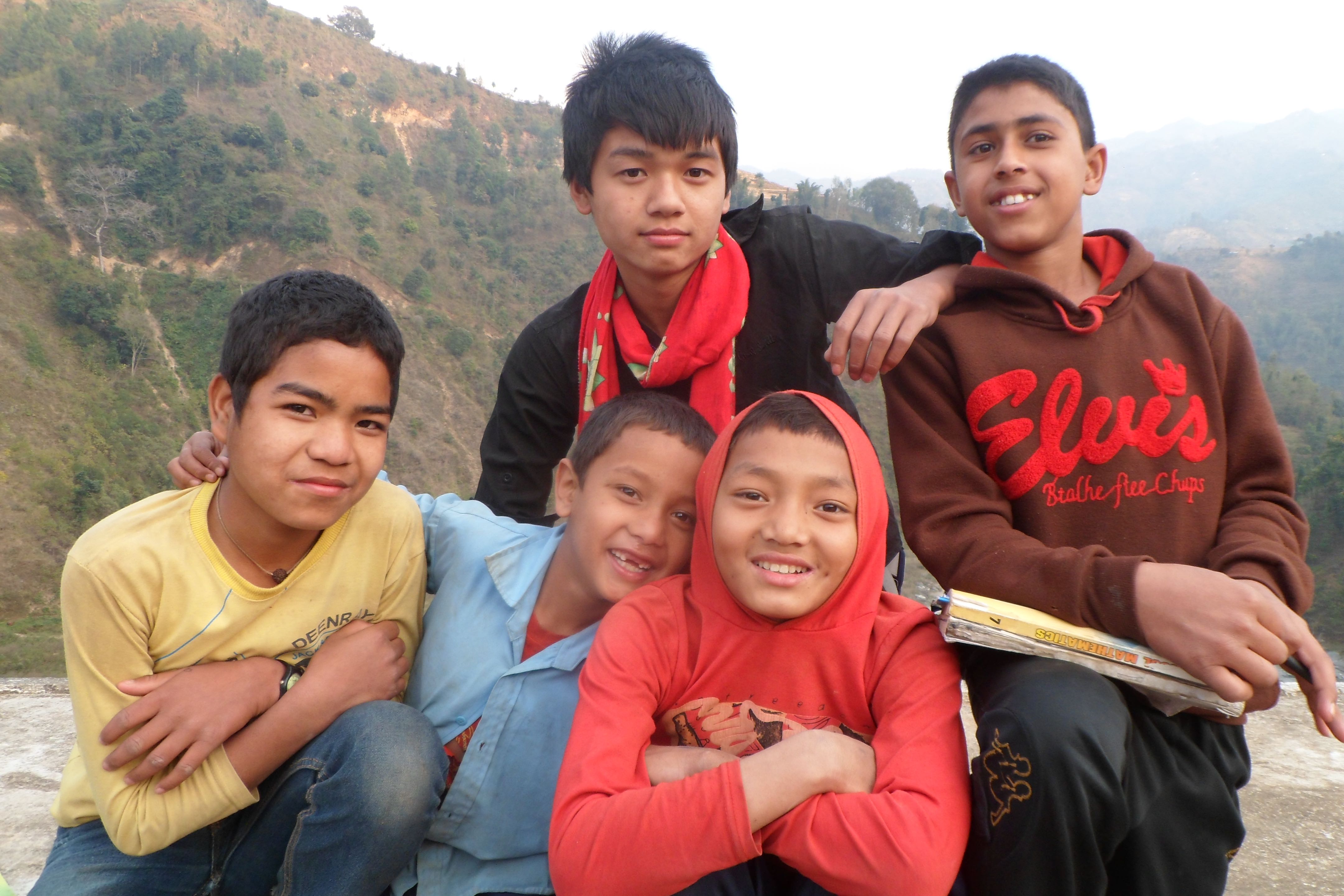
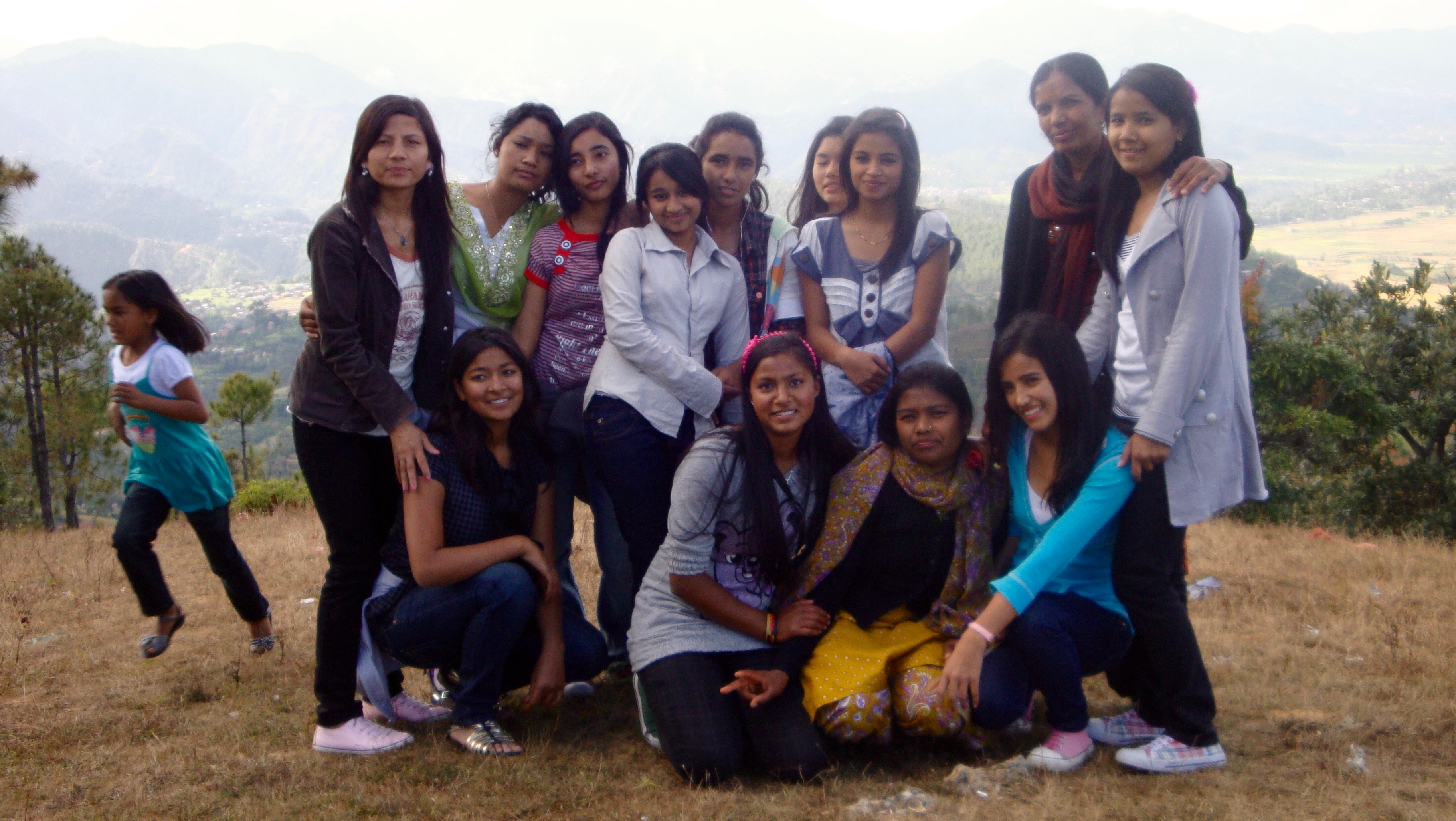
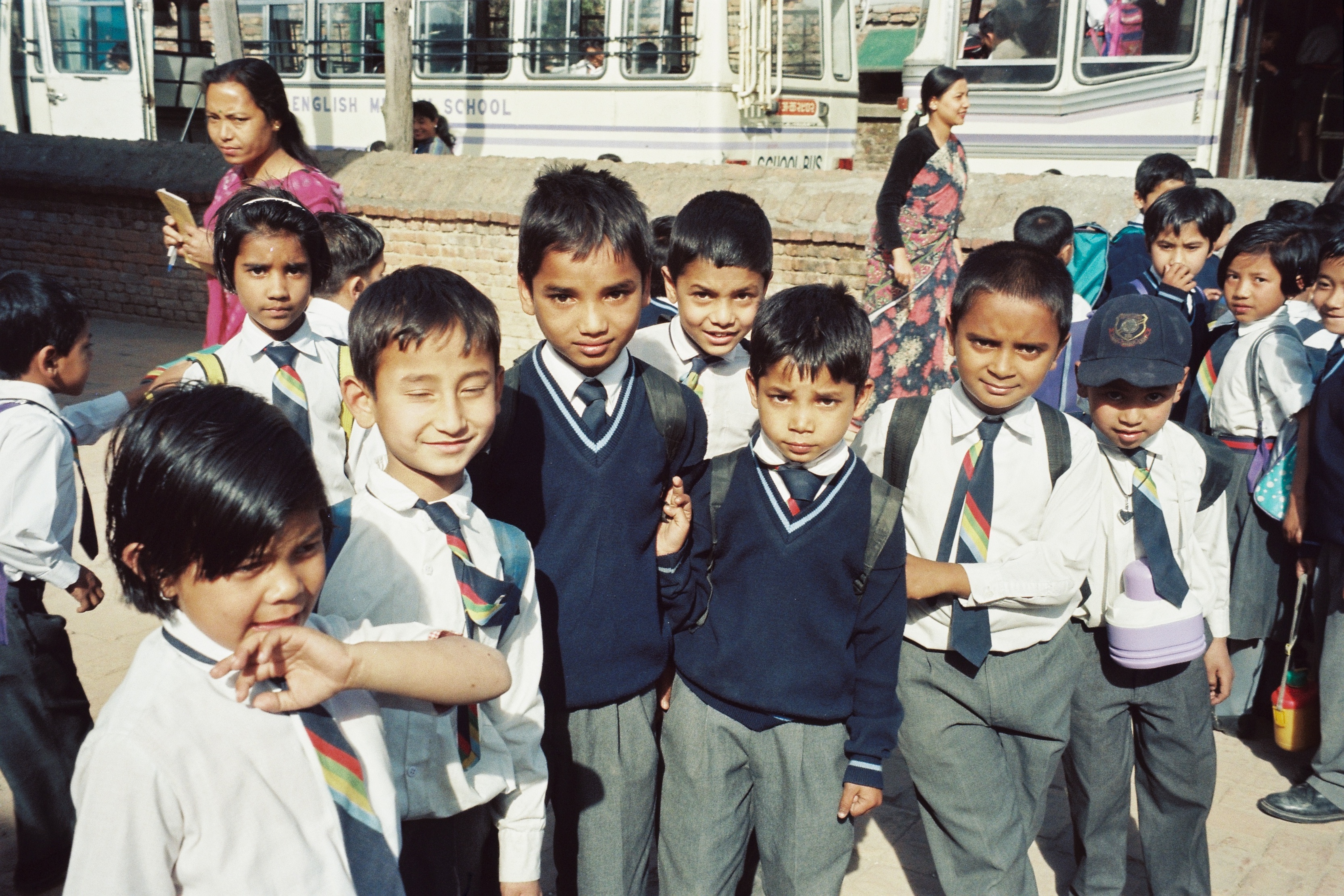
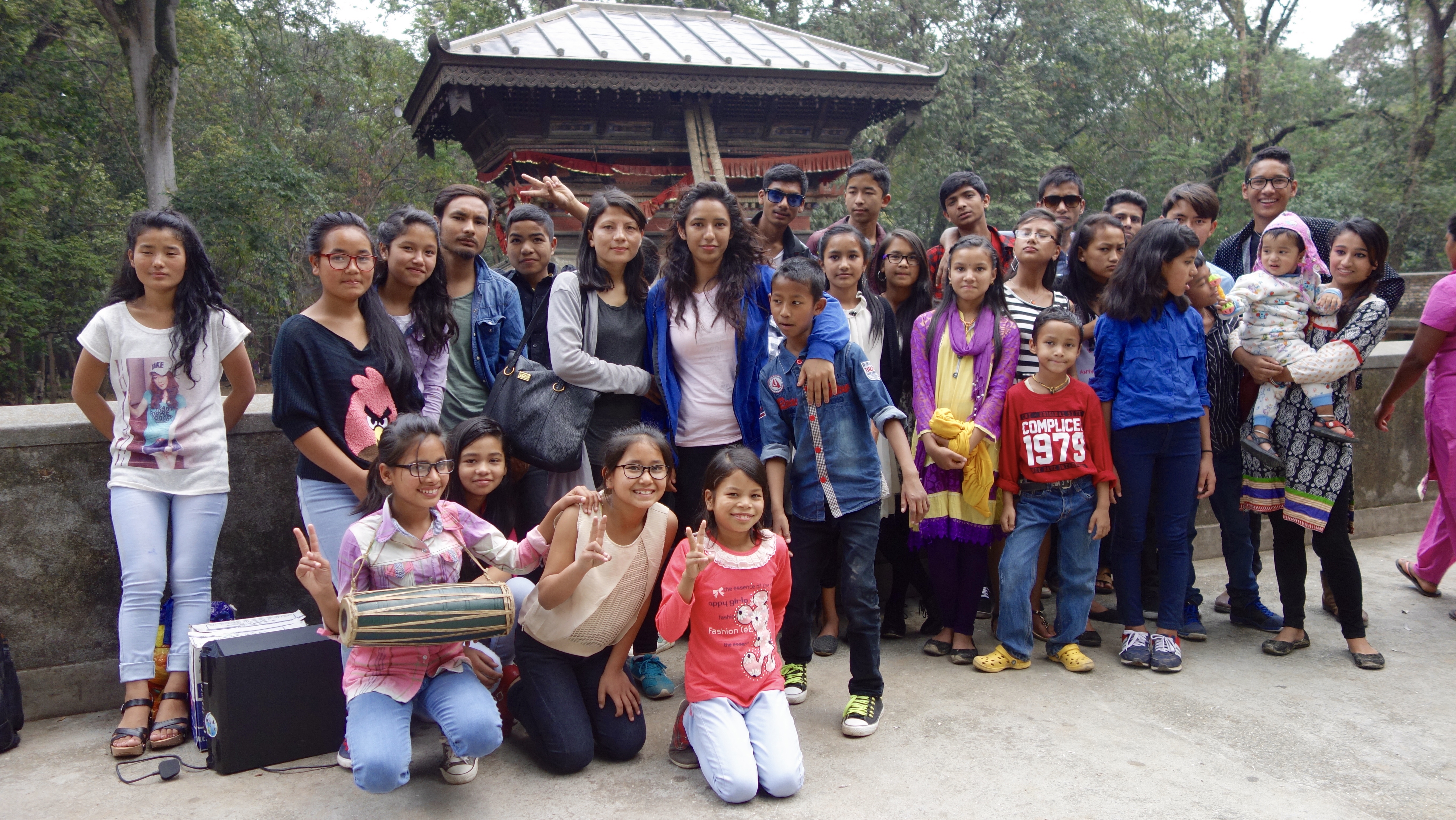
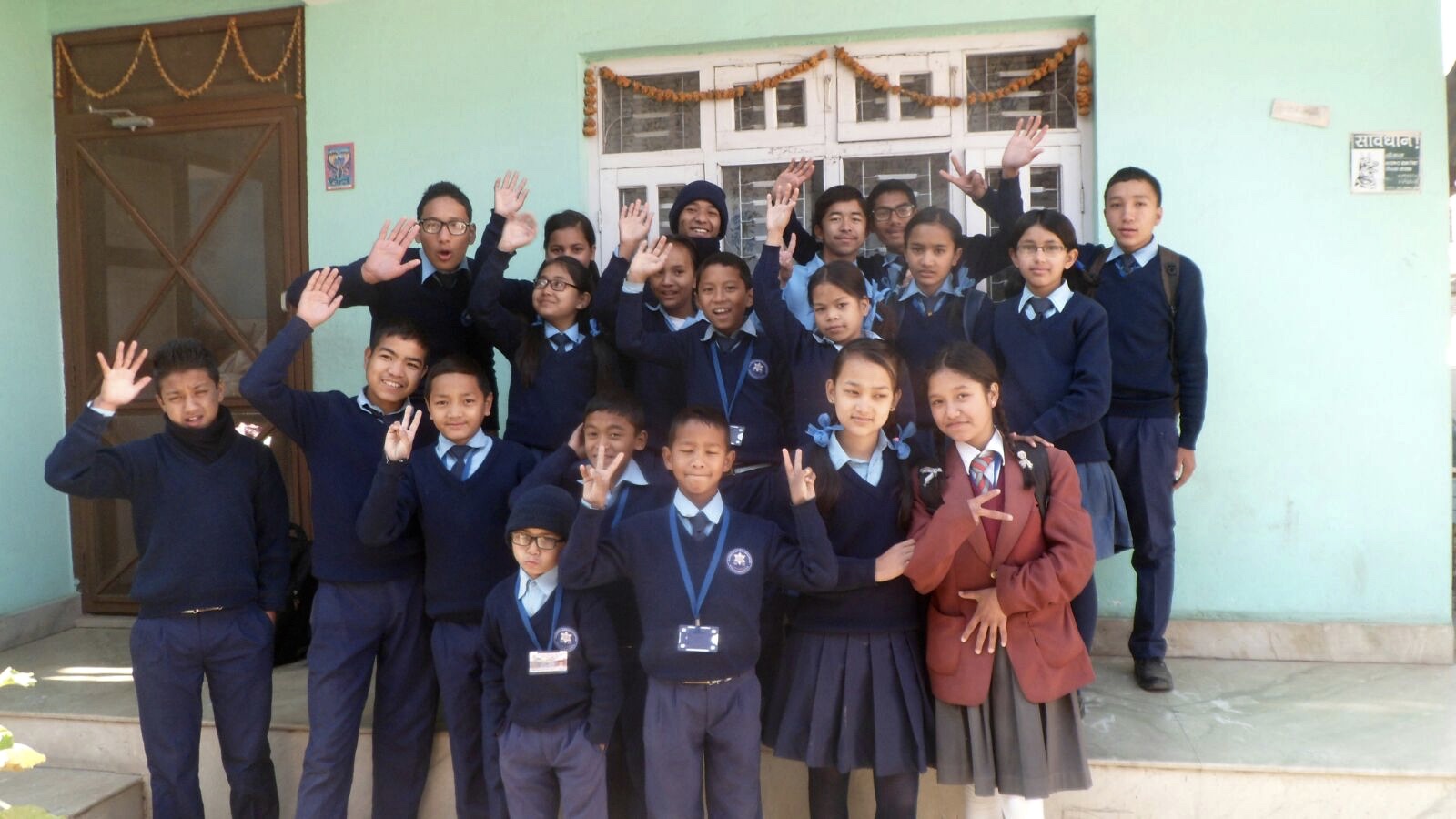
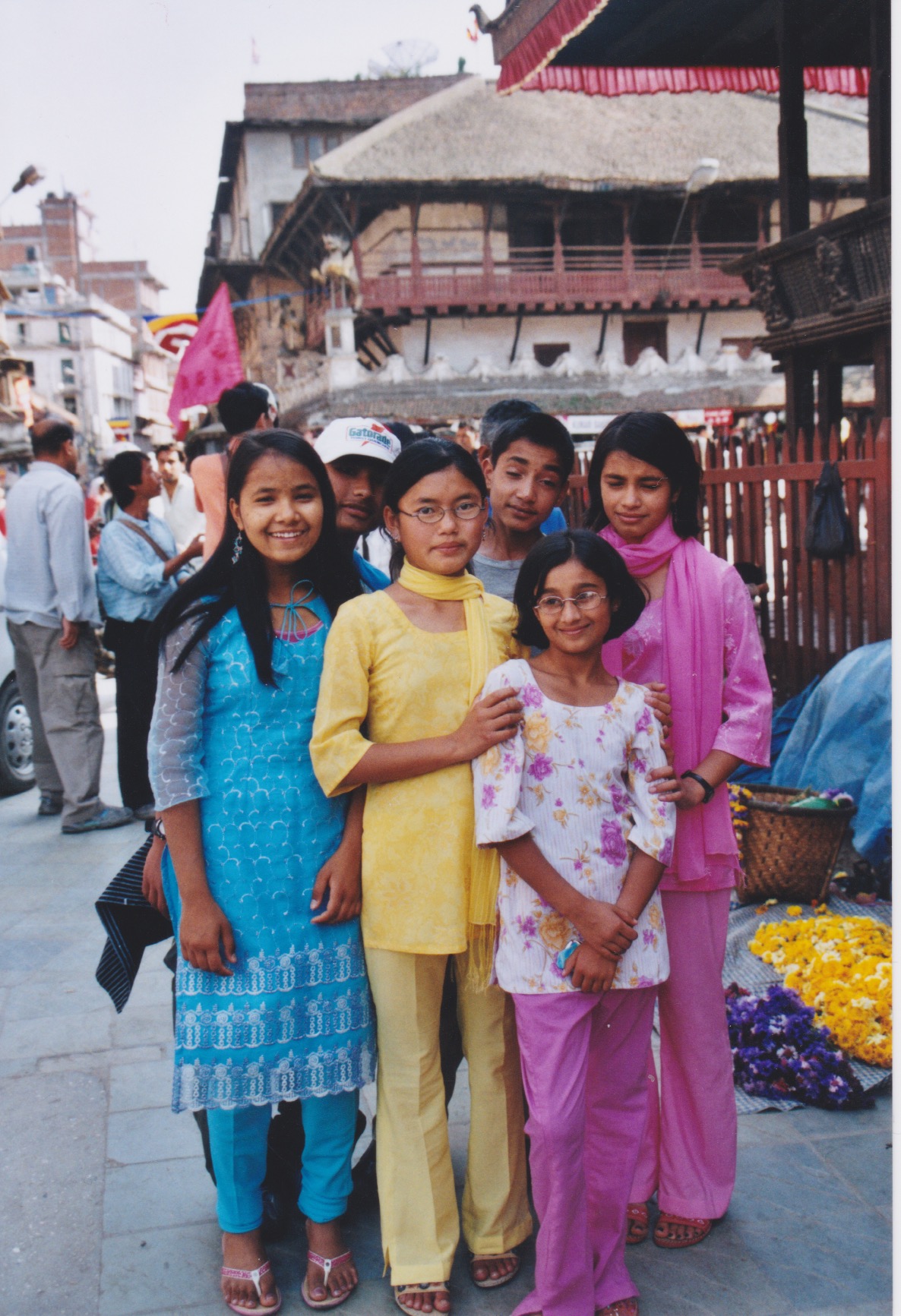
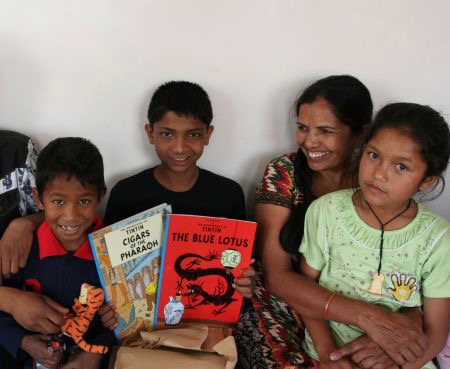
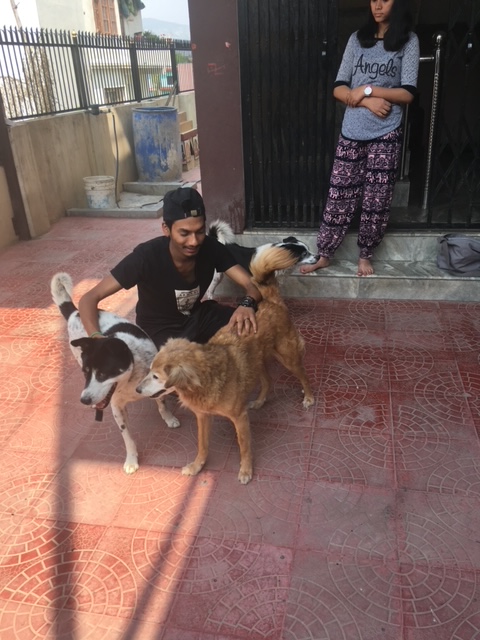
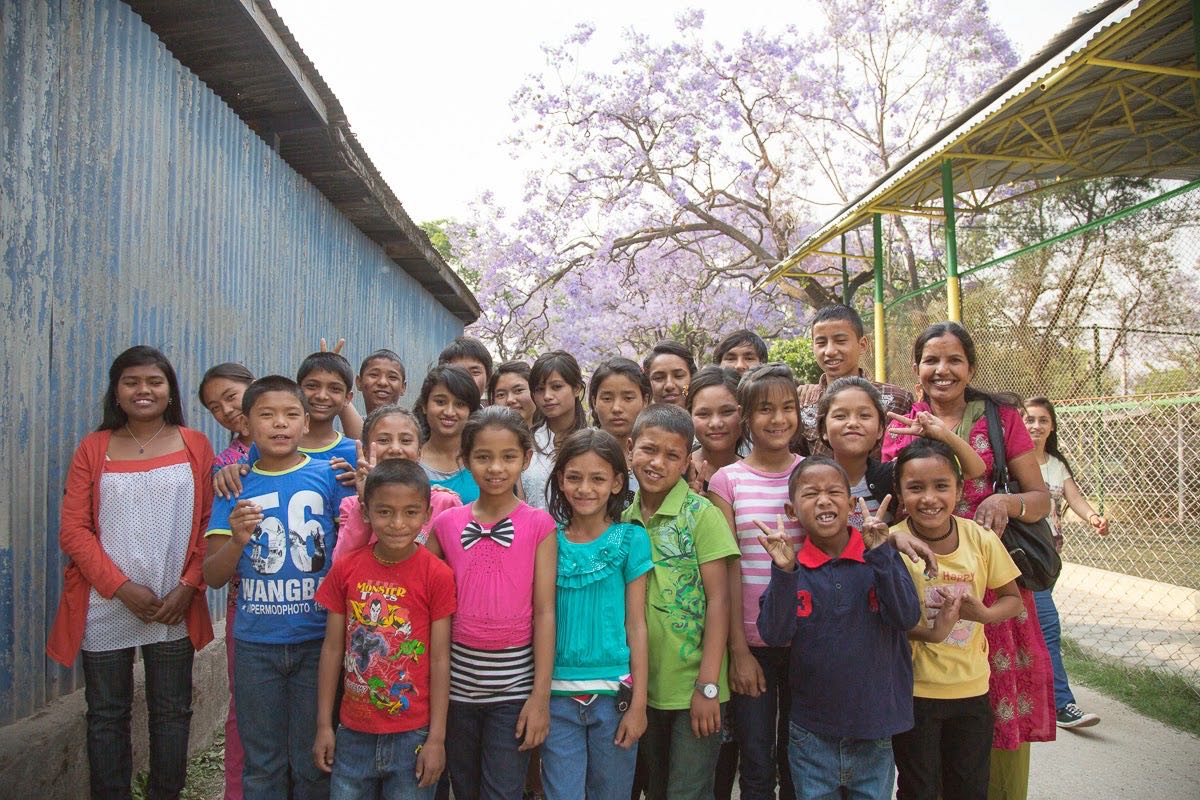


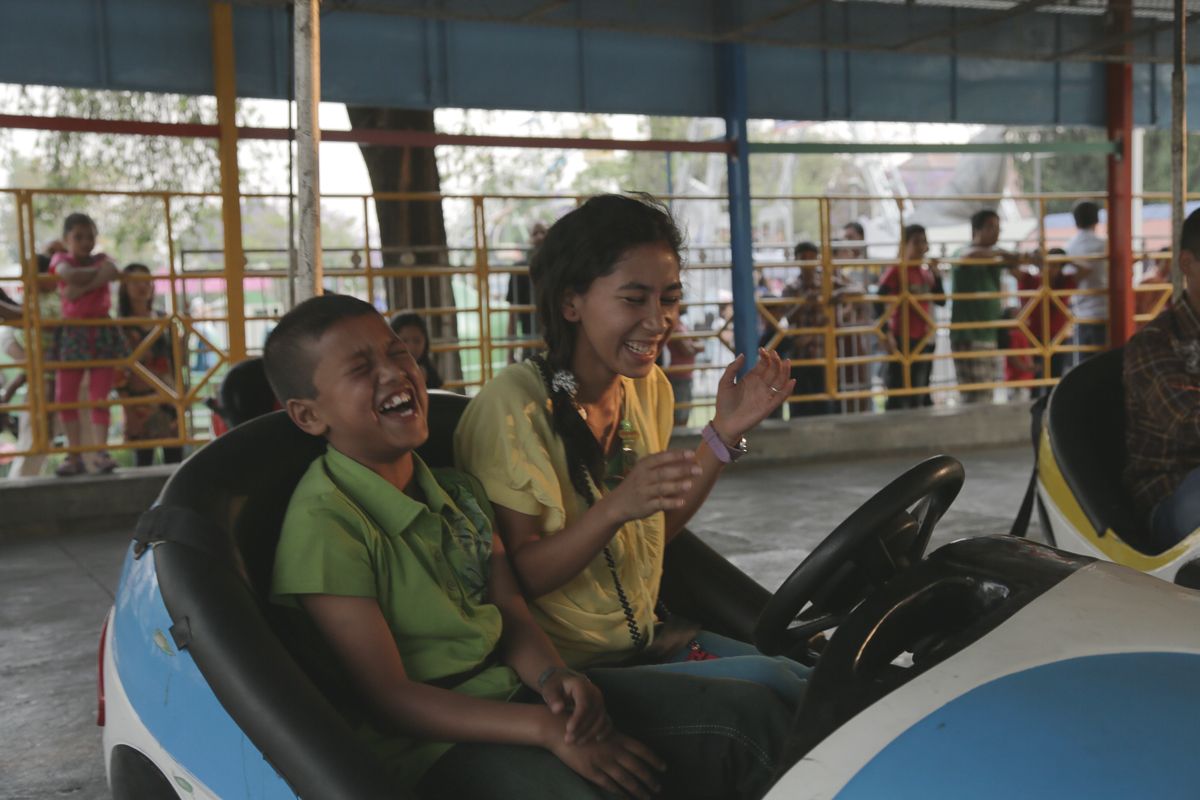
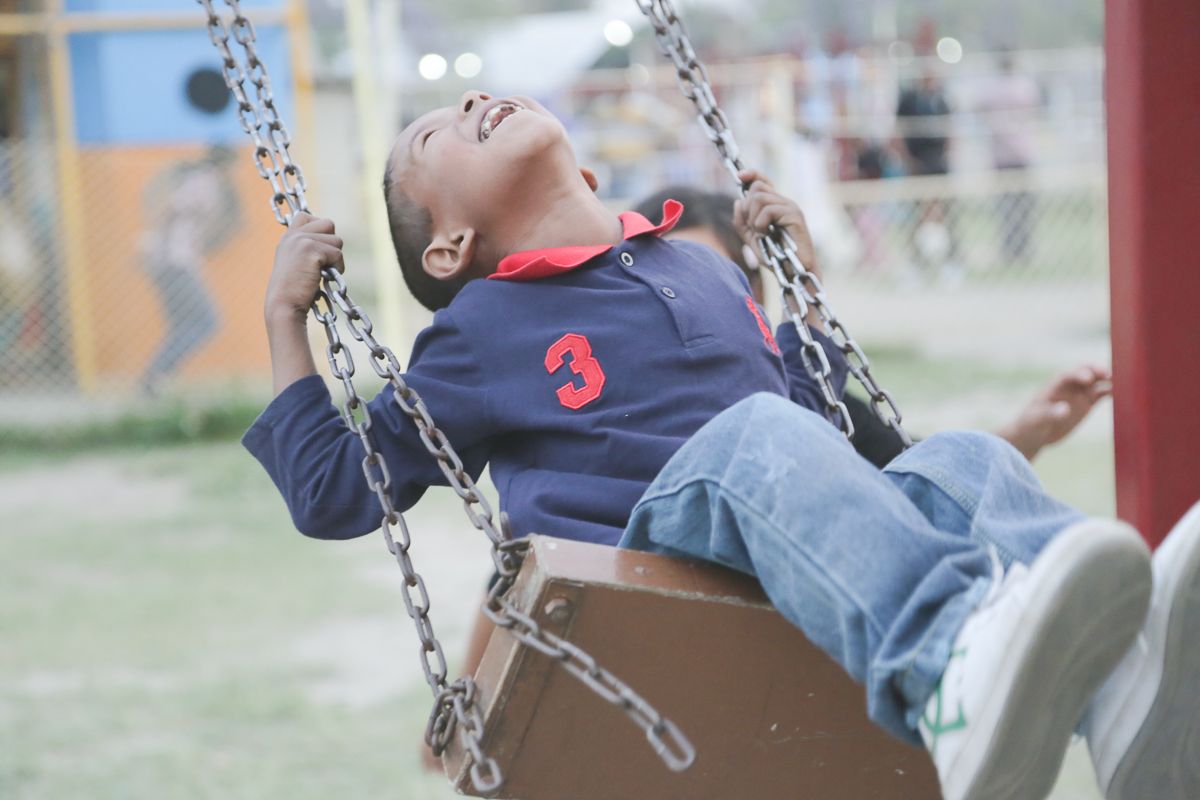

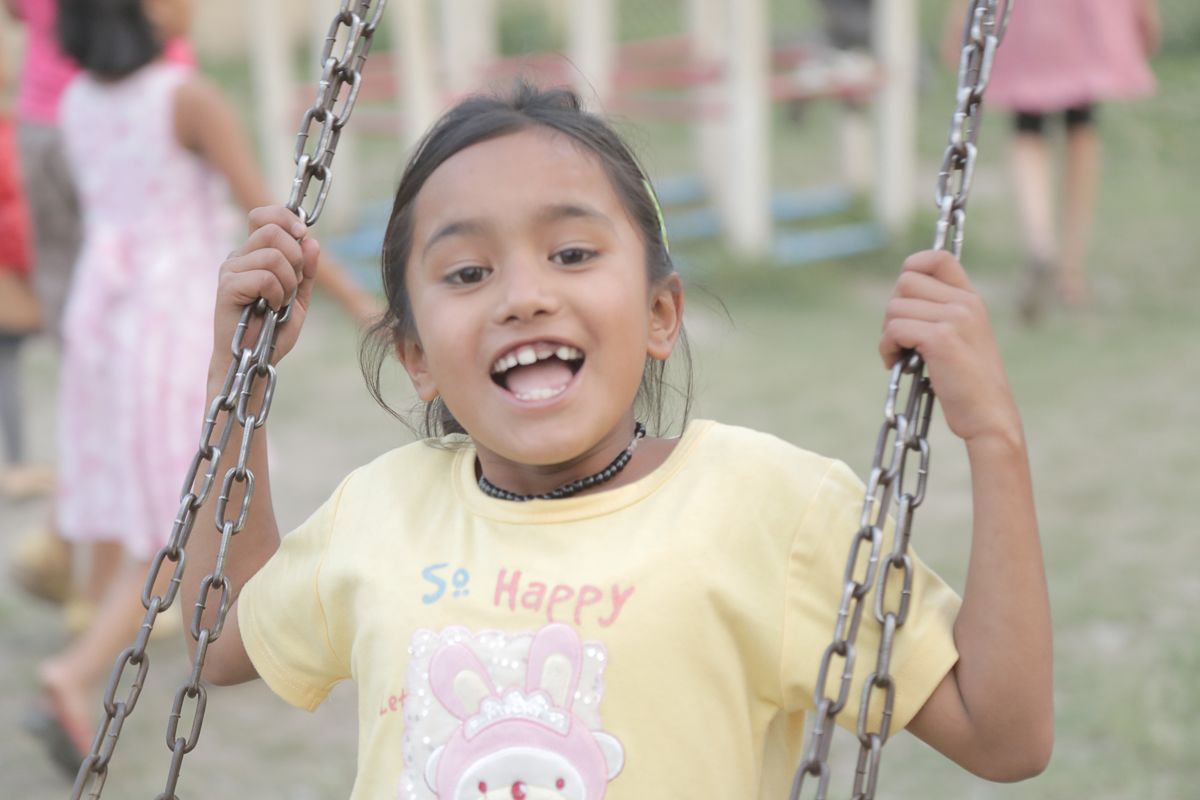


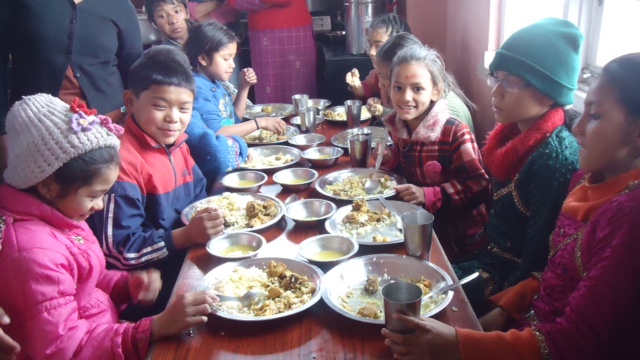
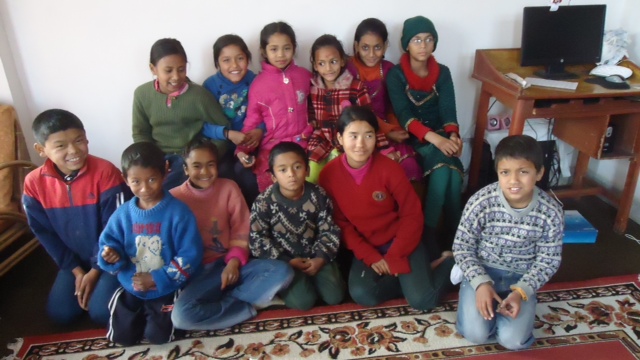
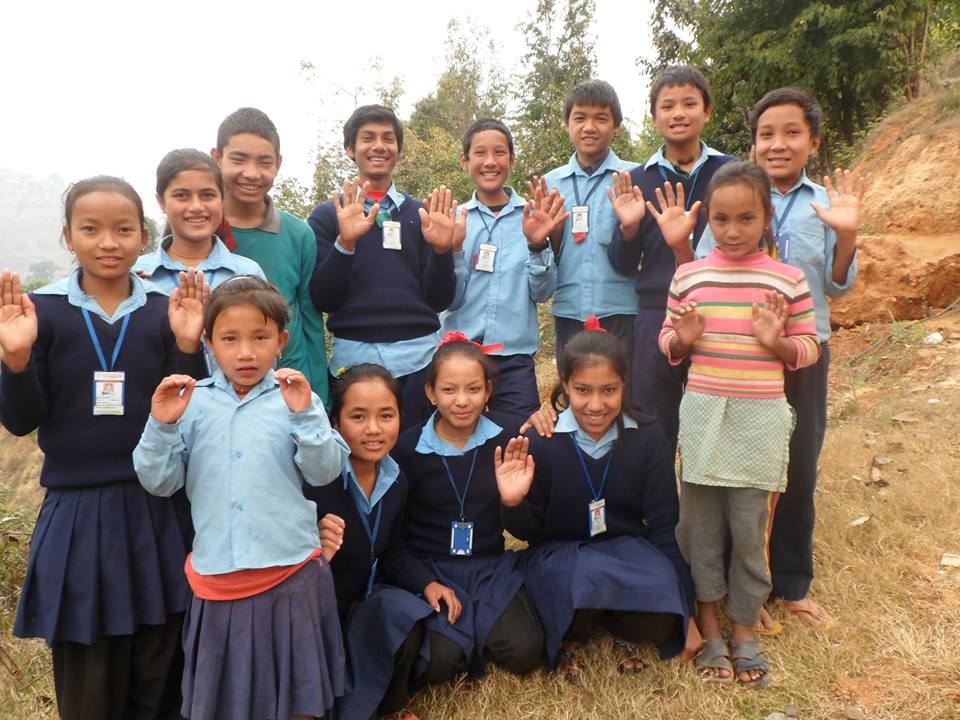
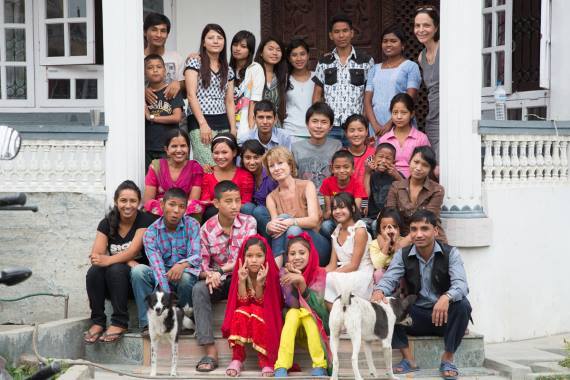
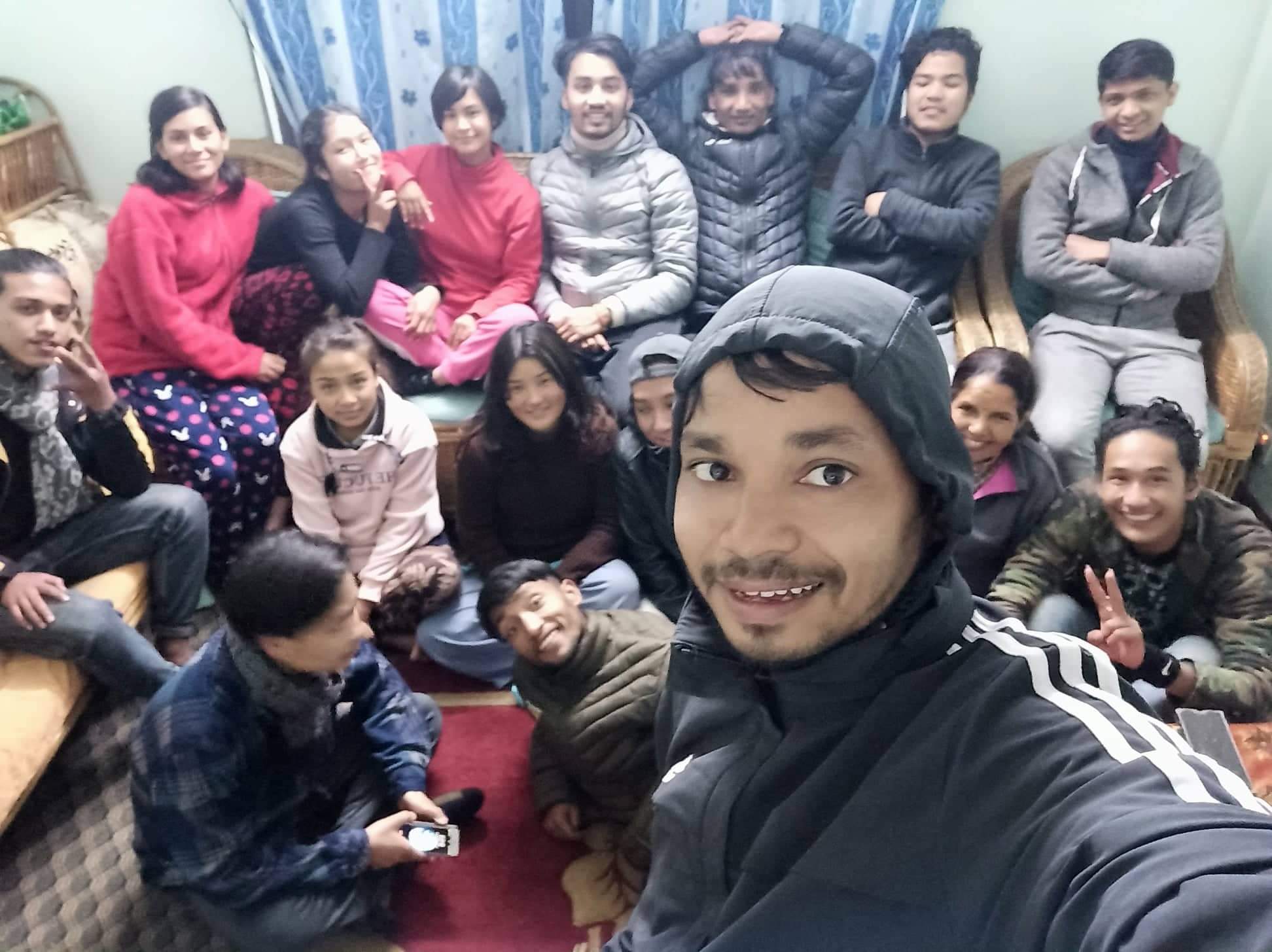
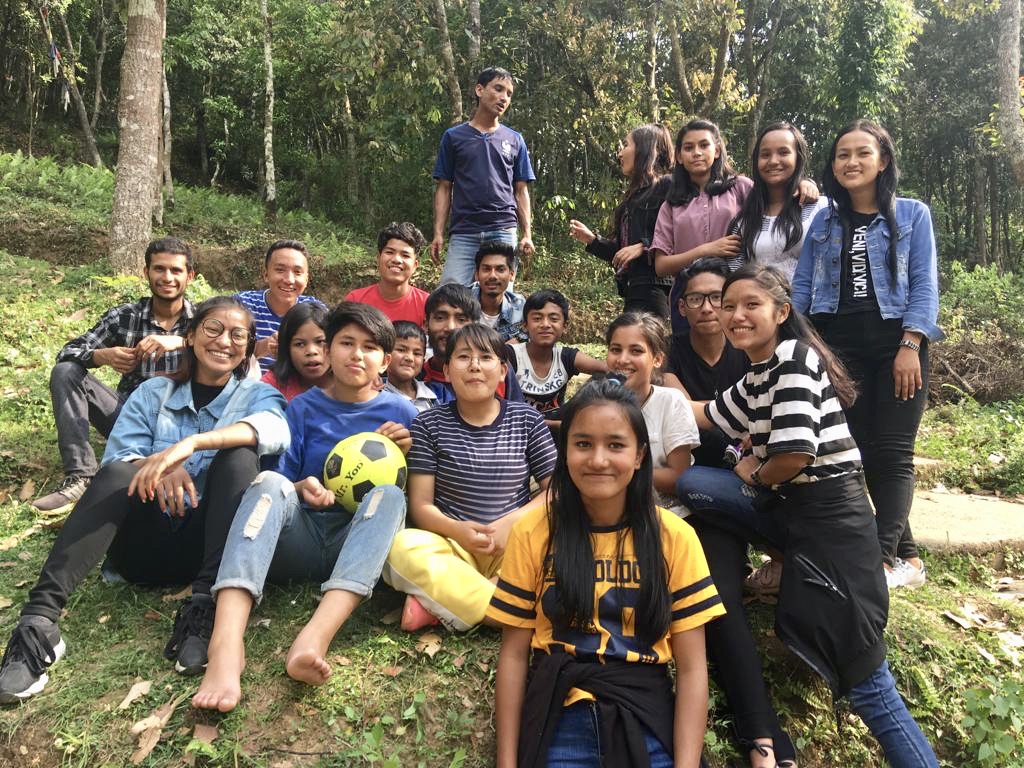
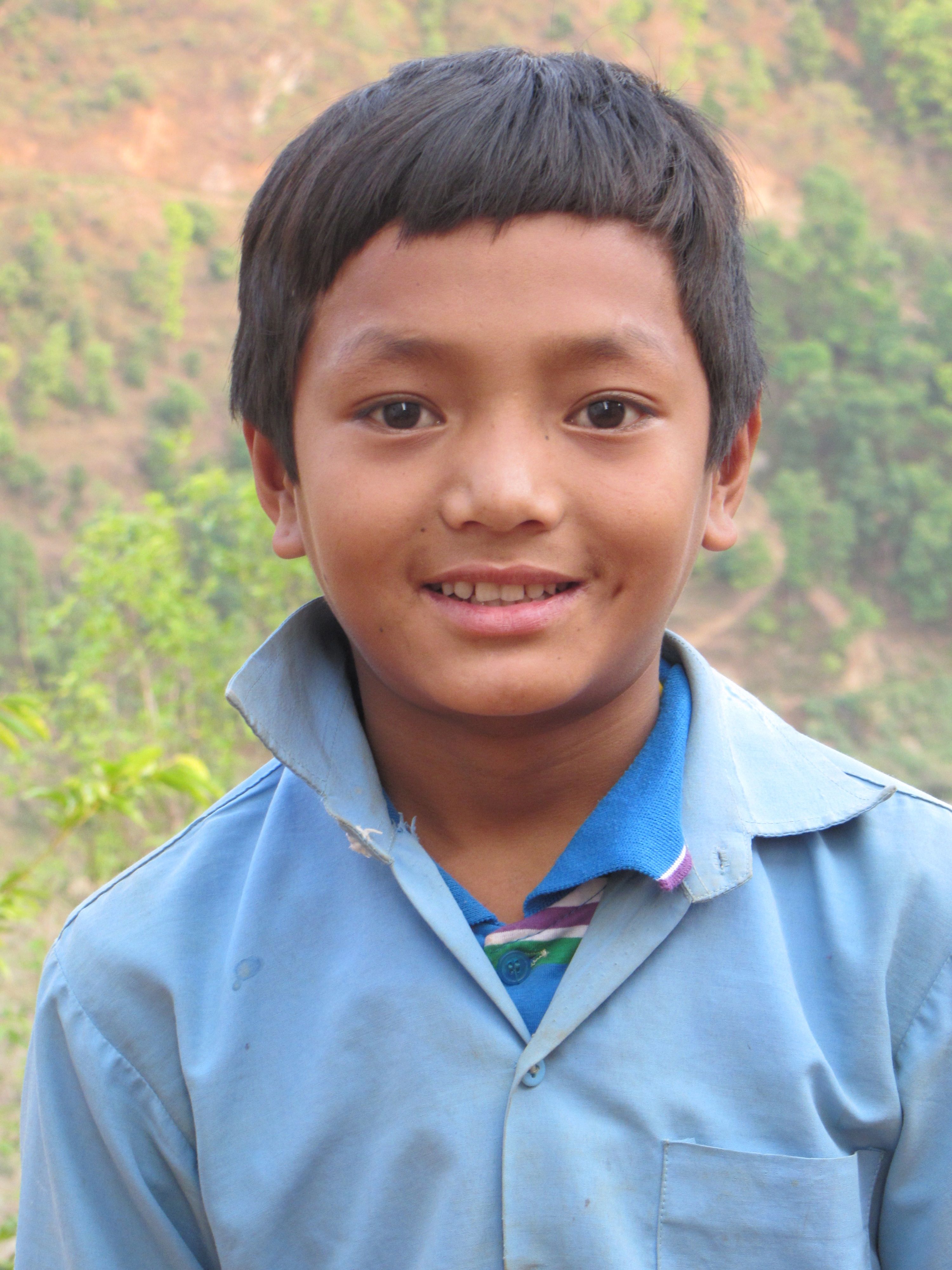
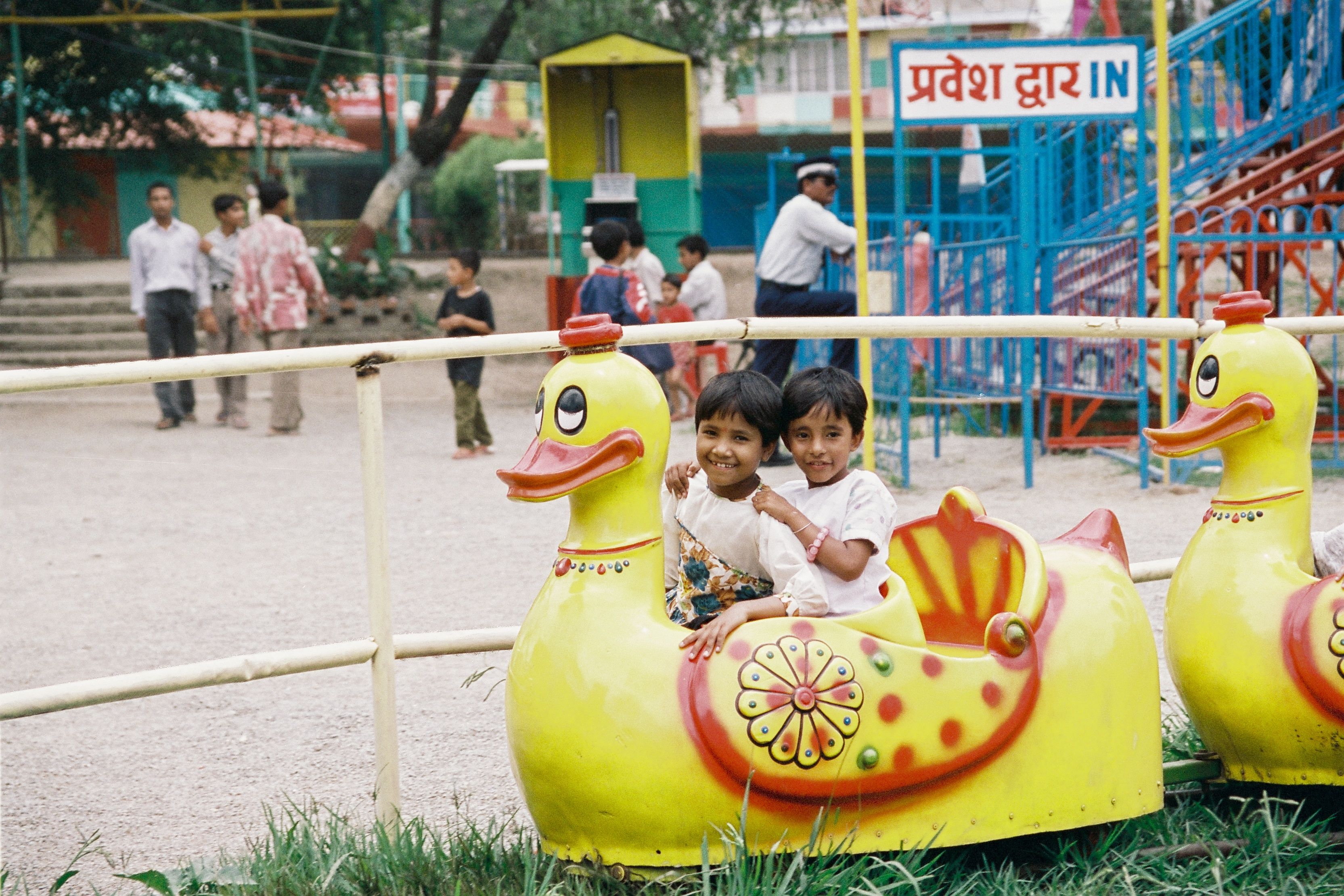
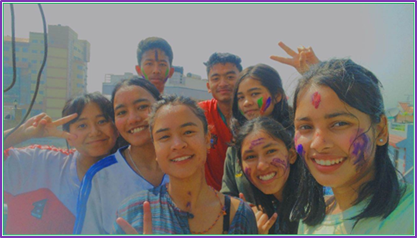
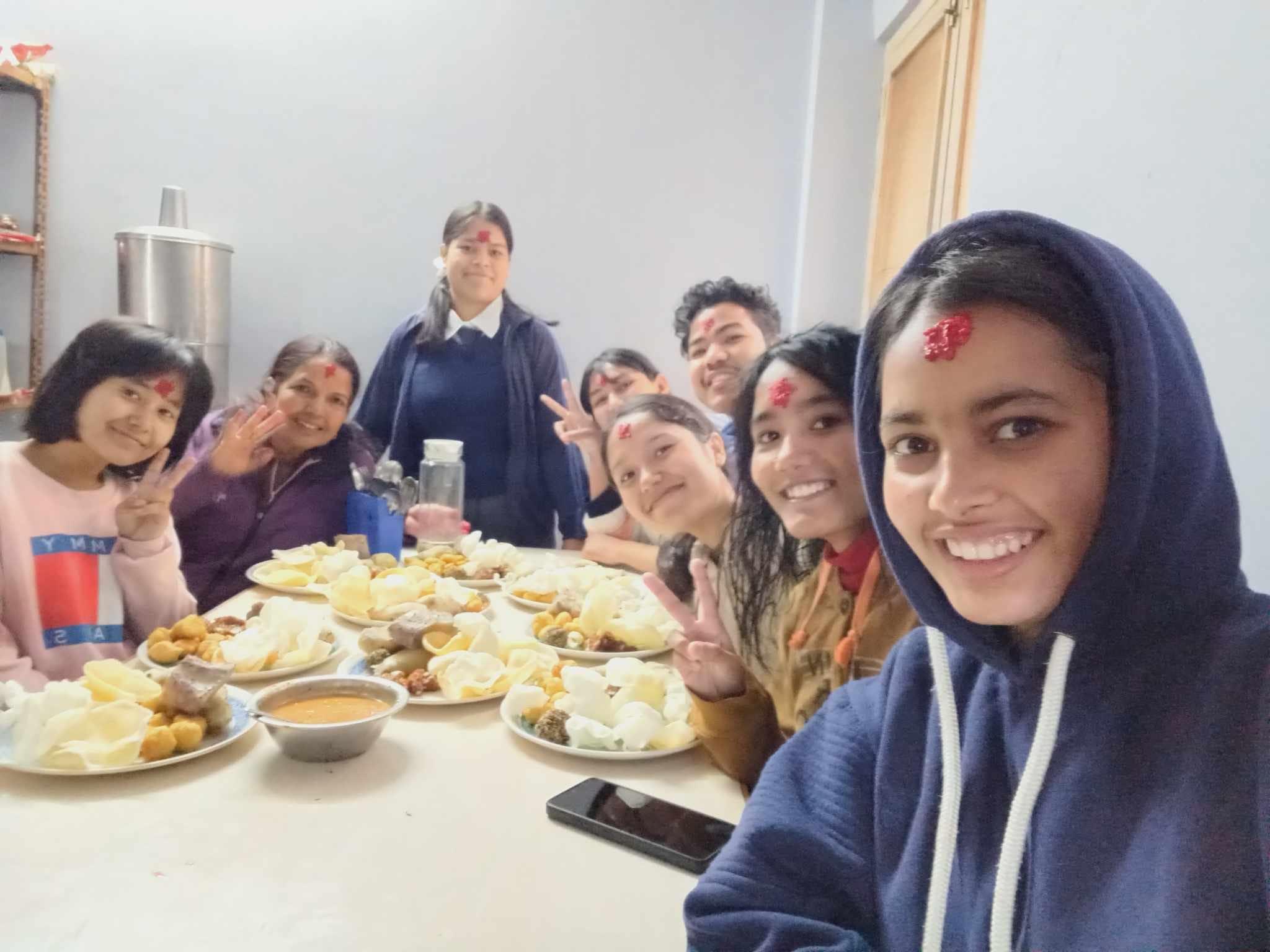
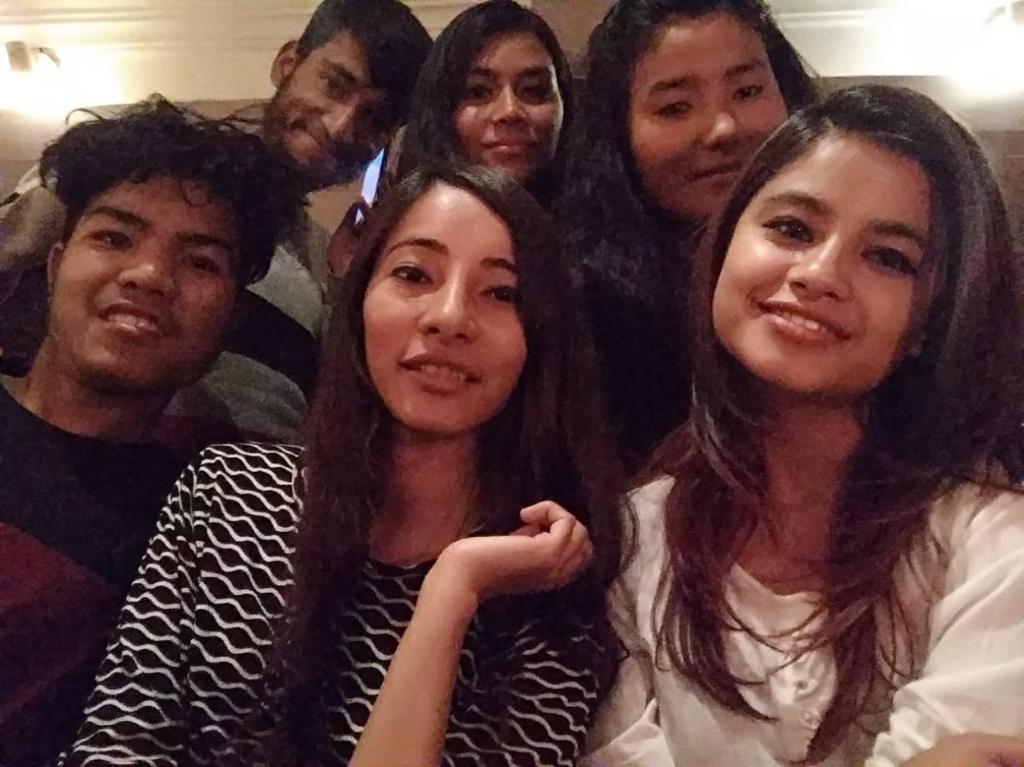
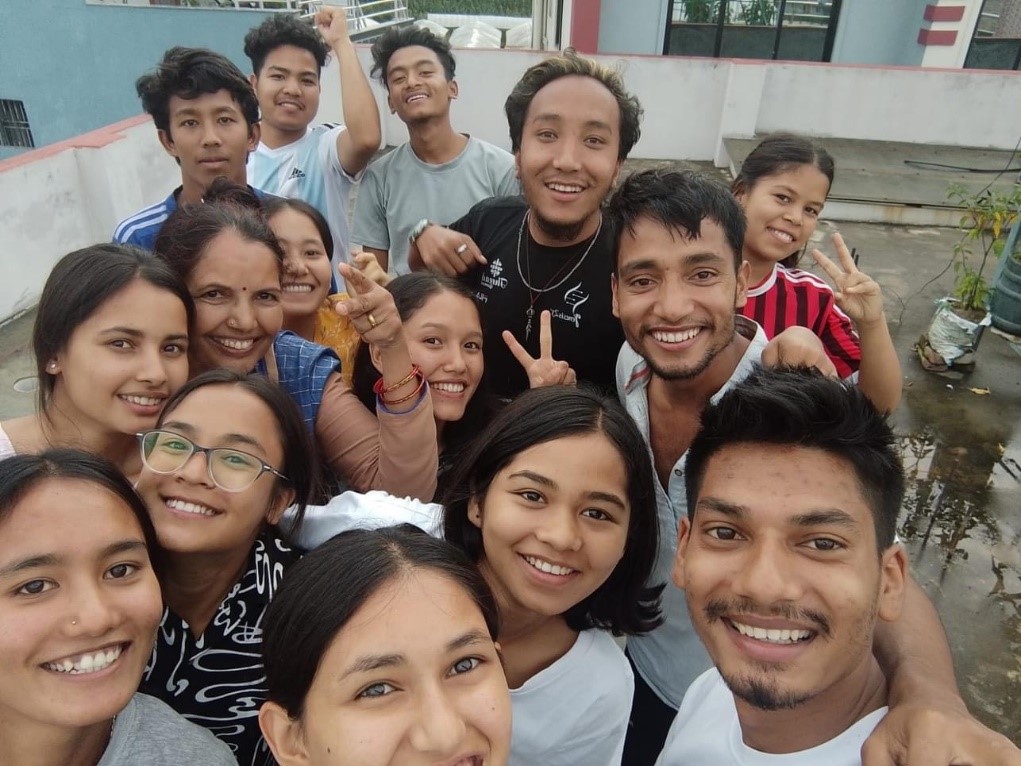
Nine youngsters still sponsored in April 2025
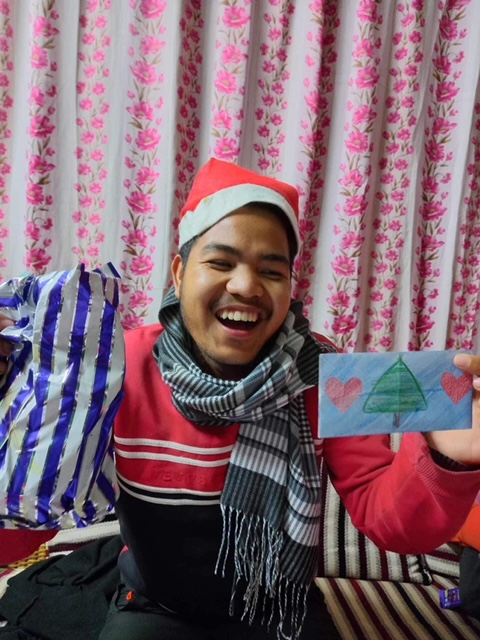
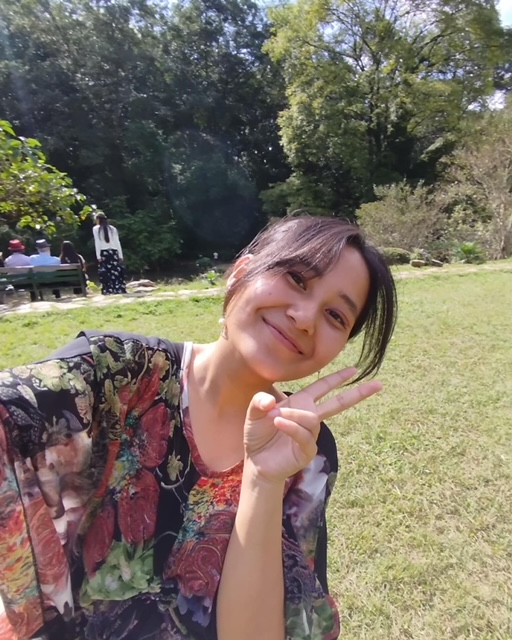
As of April 2025, SEA still sponsors 9 youngsters, 6 girls and 3 boys, aged 17 to 26, all of them being fully sponsored in Nepal.
- 8 students are in bachelor studies,
- 1 student is in high school,
- An emergency aid fund is dedicated to financing medical expenses or exceptional expenses to former SEA godchildren, or even members of their family if they are in absolute distress.







Our dream
We know that there are a lot of things we cannot change. We cannot force life to be fair and sorrow to disappear. But we can develop a more open sense of compassion and a deeper connection with all beings who suffer. It is our firm belief that we have the power to make a dent in poverty by educating now the under-privileged children of Nepal. Our goal is to break the vicious circle of poverty and illiteracy. And it is our dream to bring about in the children we educate the desire to help in turn the most destitute children of the world. This is the day when we shall look back and rest.

 SEA Népal - Solidarité Enfance Asie
Commentaires récents